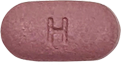
Colchicine 0.5 mg tablets are used to reduce the intense inflammation of an acute gout flare and may also be prescribed at a low dose to help prevent further attacks. It acts differently from NSAIDs and corticosteroids and does not lower uric acid, so prompt use, strict dose limits and a careful interaction check are important.
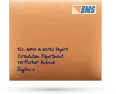
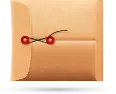
Your order is securely packed and usually dispatched within 24 hours. Here is what a typical parcel looks like.
It is about the size of a regular letter (24x11x0.7 cm) and does not show any details of what is inside.
Front View
Side View
Back View
Delivery Times
Delivery Method
Estimated delivery
Express Free for orders over £226.68
Estimated delivery to the UK: 4-7 days
Standard Free for orders over £151.12
Estimated delivery to the UK: 14-21 days
Payment Methods
Discount Coupons
New Year's Day - 1 January 2026 9%NEWYEAR9
Valentine's Day - 14 February 2026 6%VALENTINE6
St David's Day - 1 March 2026 4%DAVID4
St Patrick's Day - 17 March 2026 5%PATRICK5
St George's Day - 23 April 2026 4%GEORGE4
May Day - 1 May 2026 5%MAYDAY5
Halloween - 31 October 2026 6%HALLOWEEN6
Guy Fawkes Night - 5 November 2026 5%GUY5
Christmas Eve - 24 December 2026 9%XMASEVE9
Christmas Day - 25 December 2026 10%XMAS10
Boxing Day - 26 December 2026 10%BOXING10
New Year's Eve - 31 December 2026 8%NYE8
Brand Names
Also known as (by country):
Country
Brand Names
Australia
Colgout
Canada
PMS-Colchicine
United States
ColcrysLodoco
FAQ
In the United Kingdom, colchicine 0.5 mg tablets are prescription-only medicines and require a prescription when bought from local pharmacies. Our store policy allows you to order them without a prescription and have them sent by mail. Because colchicine has a narrow safety margin and important interactions, medical advice before starting treatment is important.
Colchicine is not generally expected to impair driving or operating machinery. However, do not drive if you feel unwell, dizzy, weak or affected by side effects such as severe diarrhoea or vomiting.
Colchicine 0.5 mg tablets are prescription-only medicines in the United Kingdom. The product name and strength alone do not confirm the marketing authorisation for the exact pack supplied; the manufacturer and licence details on the received packaging are needed to verify that specific product.
Do not take the tablets if the label does not state colchicine 0.5 mg tablets as expected. Keep the package and contact customer service within 7 days of delivery; a replacement or full refund can be arranged. Do not try to compensate for a different strength by changing the number of tablets.
Tablets are generally suitable for postal transport when properly packed in protective packaging. They should remain in their original container and be protected from light and moisture; their labelled storage range is 20°C to 25°C, with brief excursions between 15°C and 30°C permitted. Check the pack on arrival and do not use tablets if the packaging is damaged or their condition appears compromised.
Store the tablets at 20°C to 25°C; brief temperature excursions between 15°C and 30°C are permitted. Keep them in the original container, protected from light and moisture, and out of the sight and reach of children.
Colchicine is an anti-gout medicine used to treat acute gout attacks and, in appropriate regimens, to help prevent recurrent attacks. It reduces the inflammation associated with urate crystals but does not lower the body's uric acid level.
Take colchicine 0.5 mg tablets by mouth with a drink of water, with or without food, following the prescribed schedule exactly. The dose and maximum total dose differ between treatment of an acute gout attack and prevention, and may need adjustment for kidney or liver impairment or interacting medicines. Do not take extra tablets to make up for a missed dose unless specifically instructed.
The most common side effects are diarrhoea, nausea, vomiting and abdominal pain. These can be early signs that the dose is too high. Stop taking colchicine and seek urgent medical advice for severe or persistent vomiting or diarrhoea, muscle pain or weakness, unusual bruising or bleeding, fever, sore throat, or marked tiredness.
Some medicines can greatly increase colchicine levels and toxicity, including clarithromycin or erythromycin, antifungal azoles, ciclosporin, certain HIV medicines, verapamil and diltiazem. Grapefruit and grapefruit juice can also increase exposure. The risk is particularly serious in people with kidney or liver impairment, so a prescriber or pharmacist should check all regular and newly prescribed medicines.
Description
Colchicine 0.5 mg Tablets for Gout Flares
Colchicine has a distinct place in gout treatment: it reduces the inflammatory response triggered by urate crystals but is not an ordinary painkiller and does not lower the amount of uric acid in the blood. That distinction matters when deciding whether this product fits the intended treatment plan. It may be used for an acute gout flare or, at a lower prescribed dose, to reduce the risk of flares during longer-term management, including when urate-lowering treatment is being introduced.
For an acute attack, colchicine is generally most useful when treatment begins promptly after symptoms start. Taking more than the recommended amount does not produce proportionately better pain relief and can cause serious toxicity. The practical decision is therefore not simply whether colchicine has helped before, but whether it is appropriate alongside current medicines, kidney and liver function, and any alternative treatment options. We offer oral colchicine 0.5 mg tablets in several quantities, but the dose and length of treatment must come from appropriate medical guidance rather than the number of tablets in a pack.
Its Role and Limits in Gout Treatment
This product contains colchicine as the active ingredient and is supplied as immediate-use oral tablets in a single strength of 0.5 mg. Colchicine is classed as an anti-gout medicine, but it serves a different purpose from medicines such as allopurinol or febuxostat. Those medicines lower uric acid over time; colchicine controls inflammation associated with a flare or helps suppress flares during a defined preventive period.
Colchicine does not remove urate crystals, correct persistently raised uric acid or cure gout. Someone using it for repeated attacks may still need a separate assessment of long-term urate management. Conversely, a person starting urate-lowering treatment may be advised to use low-dose colchicine temporarily because changes in urate levels can provoke flares during the early phase of treatment. Keeping these roles separate helps prevent the common mistake of treating each attack without addressing why attacks continue to occur.
Is Colchicine an Appropriate Option to Consider?
Colchicine may be discussed when a person has a confirmed diagnosis of gout and needs treatment for a flare, or when temporary flare prevention forms part of a longer-term plan. It may be considered when an NSAID is unsuitable, although colchicine has its own important restrictions and is not automatically the safer choice. A previous response can inform the discussion, but it does not replace a current check of health conditions, medicines and dose limits.
Factors that can materially change the decision include:
how recently the flare began and whether colchicine can be started within the advised treatment window;
kidney or liver impairment, which can reduce colchicine clearance and increase toxicity risk;
regular or recently completed medicines, especially those that raise colchicine levels or increase muscle toxicity;
previous severe diarrhoea, vomiting or other intolerance during colchicine treatment;
pregnancy, breastfeeding or plans for pregnancy;
whether the aim is to treat a current flare or prevent attacks during a separate urate-lowering treatment plan.
Colchicine should not be selected merely because it is familiar or available in a larger quantity. Its narrow safety margin makes an up-to-date medicines review particularly important, even for someone who has taken it previously.
How Does Colchicine Reduce Gout Inflammation?
During a gout flare, urate crystals in and around a joint activate inflammatory cells. These cells move towards the affected area and release signals that contribute to heat, redness, swelling and severe pain. Colchicine binds to tubulin and disrupts microtubule activity inside cells. This limits several parts of the inflammatory response, including the movement and activation of neutrophils.
This mechanism differs from that of NSAIDs, which reduce prostaglandin production, and corticosteroids, which suppress inflammation more broadly. The distinction can be clinically useful, but it does not mean colchicine acts only on gout or directly neutralises urate crystals. Its benefit comes from moderating the body's response to those crystals.
Because it does not reduce uric acid, symptom improvement after a course should not be interpreted as evidence that the underlying urate problem has resolved. Long-term decisions, such as whether urate-lowering medicine is needed, depend on the broader clinical picture rather than the short-term response to colchicine.
Timing, Dosing and a Practical Routine
Colchicine tablets are swallowed by mouth and can generally be taken with or without food. Taking a dose with food may make it easier to tolerate if it causes stomach upset, but food does not make an excessive dose safe. The prescribed or otherwise professionally advised schedule should be followed exactly, including the maximum total dose, the interval between doses and any period during which another course must not be started.
A practical routine should include the following safeguards:
check the tablet strength before the first dose, particularly if a previous supply was different;
record each dose during an acute flare so that doses are not accidentally repeated;
do not take an extra dose to compensate for a missed dose or a slower-than-expected response;
stop and seek advice if significant diarrhoea, vomiting or abdominal pain develops;
keep the medicine away from anyone for whom it was not intended, since even a relatively small dosing error can be dangerous.
For preventive use, consistency is usually more relevant than immediate symptom relief. The duration should be reviewed rather than continued indefinitely without reassessment. The tablets should remain in their original container, protected from light and moisture. Store them at 20°C to 25°C; brief excursions between 15°C and 30°C are permitted.
Our Available Tablet Quantities
We offer one strength, colchicine 0.5 mg, in quantities of 60, 90, 120, 180, 270 and 360 tablets. The active ingredient, strength, dosage form and oral route remain the same across these options; only the number of tablets changes.
The appropriate quantity depends on the advised dose, intended duration, review arrangements and whether the medicine is for an acute course or defined preventive use. A larger quantity should not be treated as permission to extend treatment, repeat acute courses more often or keep taking colchicine without review. It is also not intended to provide treatment for other members of a household. Before choosing from the quantities we offer, calculate the required number from the treatment plan and allow for any scheduled reassessment.
Our catalogue does not present alternative strengths for this product. Anyone whose treatment instructions refer to another strength or dosage form should resolve that discrepancy before ordering rather than attempting to reproduce the dose by guesswork.
How Quickly Can Improvement Be Expected?
Colchicine is not an immediate painkiller. When it is appropriate and started early, improvement in pain and inflammation may begin during the first day, with further relief over the following days. The response varies with the timing of treatment, the severity of the flare and individual clinical factors. Symptoms that are worsening, unusually severe or not improving as expected should be reassessed rather than managed by exceeding the dose.
For preventive treatment, success is judged differently. A single low dose is not expected to produce a noticeable sensation or immediate benefit. Instead, the aim is to reduce the occurrence of flares over the prescribed period, often while a long-term urate-lowering medicine is being established. Colchicine cannot guarantee that no flare will occur, and breakthrough symptoms do not justify changing the dose without advice.
New joint pain should not automatically be assumed to be gout, particularly if the diagnosis has not been confirmed or symptoms differ from previous attacks. A hot, swollen joint accompanied by fever or marked illness can require urgent assessment because infection and other conditions can resemble gout.
Priority Safety Considerations
Colchicine has a narrow margin between a therapeutic and harmful dose. Early toxicity often involves gastrointestinal symptoms such as nausea, abdominal pain, vomiting and diarrhoea. More serious poisoning can affect blood cells, muscles, nerves and multiple organs. Suspected overdose requires urgent medical attention even if severe symptoms have not yet appeared.
UK product information contraindicates colchicine during pregnancy. It passes into breast milk, and breastfeeding mothers are advised not to take it or to stop breastfeeding after an individual clinical discussion. The 0.5 mg tablet is not recommended for children in the supplied UK product context. Known hypersensitivity to colchicine or a tablet ingredient also prevents use.
Kidney or liver impairment can substantially increase exposure to colchicine. The risk becomes especially important when an interacting medicine is also present, and some combinations must be avoided rather than managed by simple dose adjustment. Colchicine is not generally sedating and normally has no or negligible effect on driving, but anyone who feels unwell should not drive or operate machinery.
Which Medicines and Conditions Need Checking?
A complete medicines check should cover prescriptions, medicines bought without a prescription and recently completed treatments. An interaction can remain relevant even when the other medicine was started for an unrelated infection or heart condition. Do not assume that a short antibiotic course is harmless alongside colchicine.
Macrolide antibiotics: clarithromycin can raise colchicine exposure sharply and create a serious toxicity risk. Other antibiotics should also be checked rather than substituted without advice.
Antifungal medicines: medicines such as ketoconazole can inhibit pathways involved in colchicine clearance.
Heart and transplant medicines: verapamil, diltiazem and ciclosporin are examples that may increase colchicine exposure or compound toxicity.
Statins and other muscle-affecting medicines: combinations with medicines such as simvastatin or atorvastatin may increase the risk of muscle pain, weakness and muscle injury.
Kidney or liver disease: impaired clearance may require a different regimen or make treatment unsuitable, particularly when interacting medicines are present.
Blood disorders or severe gastrointestinal problems: these require individual assessment because colchicine can affect blood cells and commonly causes digestive adverse effects.
Unexplained muscle pain or weakness, tingling, unusual bruising, persistent gastrointestinal symptoms or signs of infection warrant prompt medical advice. The safest response to a suspected interaction is to check before taking colchicine, not to separate the medicines by a few hours unless a qualified professional has specifically advised that approach.
Conditional Comparisons With Other Gout Treatments
No single treatment is best for every gout flare. The relevant comparison depends on whether the goal is immediate flare control or long-term urate reduction, as well as kidney function, gastrointestinal risk, cardiovascular history, interacting medicines and previous response.
NSAIDs such as naproxen or indomethacin reduce inflammation through a different mechanism. They may be unsuitable for some people with kidney disease, peptic ulcer disease, cardiovascular risks or treatment with certain anticoagulants.
Corticosteroids such as prednisolone can be used to control an acute flare when other options are inappropriate. Their broader effects and cautions differ from those of colchicine, so the choice is conditional rather than a simple ranking.
Allopurinol and febuxostat lower uric acid over the long term. They are not substitutes for immediate flare relief, although low-dose colchicine may be used temporarily when one of them is started.
Probenecid promotes uric acid excretion and has a long-term role for selected patients rather than serving as a direct equivalent to acute colchicine treatment.
Canakinumab is a specialist biologic option for selected severe cases when conventional approaches are unsuitable or ineffective; it is not a routine alternative for most gout flares.
The comparison should therefore begin with the treatment objective. Someone choosing between acute options needs a different discussion from someone considering long-term urate control or temporary flare prevention.
UK Prescription Status and Our Ordering Policy
Colchicine 0.5 mg tablets are prescription-only medicines in the United Kingdom. This regulatory classification reflects the medicine's dosing limits, interaction risks and potential for serious toxicity. NHS information on colchicine provides general guidance about its uses, side effects and safety, while suspected adverse effects can be reported through the MHRA Yellow Card scheme.
The UK classification is separate from our ordering policy. Under our current policy for this product, we do not require a prescription upload before accepting an order. That checkout requirement does not change colchicine's UK legal classification and should not be interpreted as evidence that it is suitable for self-diagnosis or unsupervised dosing. Anyone without an established treatment plan, or whose health conditions or medicines have changed, should obtain appropriate clinical advice before use.
What Happens When You Order From Us?
Once the intended quantity has been checked against the treatment plan, our ordering process is straightforward:
select one of the colchicine 0.5 mg tablet quantities we currently offer;
add it to your basket and provide the information requested during our checkout;
review the order details carefully before submitting the order;
after acceptance, we pack and dispatch the order for delivery.
We do not promise a specific arrival time in this guide. Any applicable order and delivery information should be reviewed during checkout before the order is completed. When the parcel arrives, check that the label states colchicine 0.5 mg tablets and that the quantity corresponds with the order before taking a dose. Keep the original packaging and patient leaflet available for reference.
Our support team is available 24/7 by email, online chat and phone, and pharmacist support is available if a product or ordering question needs professional input. Support with an order does not replace urgent medical care in the event of a suspected overdose, severe reaction or rapidly worsening illness.
A Balanced Purchase Decision
Colchicine 0.5 mg tablets are a focused option for controlling the inflammatory response in an acute gout flare and for defined preventive use, but they do not provide ordinary pain relief or lower uric acid. Their value depends on choosing the correct treatment role, starting an acute course within the advised window and observing strict dose limits.
The strongest reasons to pause before ordering are uncertainty about the diagnosis, kidney or liver impairment, pregnancy or breastfeeding, a changed medicines list, or treatment with an antibiotic, antifungal, statin or other potentially interacting medicine. These factors can alter the choice or make colchicine unsafe even when it has been used before.
Once the medicine, 0.5 mg tablet strength and required quantity have been confirmed, our available options allow the order quantity to be matched to the defined course. The final decision should rest on treatment suitability and safety rather than pack size alone.
I live in Newry, Northern Ireland. Can I check whether colchicine can be delivered to my address before I pay?
A
Answered by Support team
Yes. Please enter your Newry delivery address and postcode at checkout to see the destination options available for your order. Availability for a particular UK destination is confirmed there rather than assumed in advance.
Q
Asked by James, Portsmouth, United Kingdom
Will my pack show a familiar brand name, or might it be labelled with a generic or manufacturer name instead?
A
Answered by Support team
The exact trade name on the supplied pack is not guaranteed and may differ from a familiar brand name. Before use, check that the package states colchicine, 0.5 mg and tablets, then compare the manufacturer, lot number and expiry date on the label.
Q
Asked by Oliver, Bristol, United Kingdom
I take colchicine to prevent gout attacks and have a tooth extraction booked next week. Should I tell my dentist?
Yes, tell the dentist and any clinician prescribing treatment for the procedure that you take colchicine. This helps them check for interactions, especially if an antibiotic such as clarithromycin is being considered; do not stop or alter your colchicine schedule unless the clinician advises it.
Product specifications
Active ingredient
Colchicine
Drug class
Anti-gout agent
Dosage form
Tablets
Available strengths
0.5 mg
Route
Oral
Storage
Store at 20°C to 25°C; brief excursions permitted between 15°C and 30°C. Keep in the original container, protected from light and moisture.
ATC code
M04AC01
Regulatory information
Licensing statusThis active substance holds marketing authorisation for human medicinal use within the United Kingdom.
Dispensing categoryColchicine tablets are categorised as a prescription-only medicine (POM) and require a valid UK prescription.