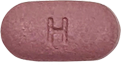
Colchicine 0.5 mg oral tablets are used for acute gout flares and longer-term flare prevention, with dosing shaped by a narrow safety margin. Since 0.5 mg is the only strength we currently offer, the practical choice is the tablet quantity that fits your prescribed treatment plan.
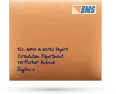
Your order is securely packed and usually ships within 24 hours. Here is what a typical parcel looks like.
It is about the size of a regular letter (24x11x0.7 cm) and does not show any details of what is inside.
Front View
Side View
Back View
Shipping Times
Shipping Method
Estimated delivery
Express Free for orders over C$427.92
Estimated delivery to Canada: 4-7 days
Standard Free for orders over C$285.28
Estimated delivery to Canada: 14-21 days
Payment Methods
Discount Coupons
Victoria Day - May 18, 2026 8%VICTORIA8
Canada Day - July 1, 2026 10%CANADADAY10
Labour Day - September 7, 2026 6%LABOUR6
Thanksgiving (Canada) - October 12, 2026 9%THANKS9
Boxing Day - December 26, 2026 12%BOXING12
Brand Names
Also known as (by country):
Country
Brand Names
Canada
PMS-Colchicine
United States
ColcrysLodoco
France
Colchicine Opocalcium
Australia
Colgout
Italy
Colchicina Lirca
FAQ
Colchicine is a prescription medicine when obtained from local pharmacies in Canada. However, our store policy allows you to order colchicine 0.5 mg tablets without providing a prescription, and the order can be sent by mail.
Yes. Tell the surgeon, dentist, anesthesiologist, or other treating clinician that you take colchicine, including the dose and why you use it. This is particularly important if you have kidney or liver impairment or may be prescribed medicines that can raise colchicine levels. Do not stop colchicine before a procedure unless the clinician managing your treatment advises it.
They may differ. This product contains colchicine 0.5 mg tablets, but the exact manufacturer and inactive ingredients for a supplied package are not confirmed in advance. If you need to avoid lactose, dyes, gluten, or another ingredient, check the received package leaflet and label before taking the tablets.
Do not take the tablets if the label shows a strength other than 0.5 mg. Keep the package available and contact customer service within 7 days of delivery; a replacement or full refund can be arranged. Compare the active ingredient, strength, dosage form, lot number, and expiry date with your order details.
Keep the package and check the tablets and packaging before use. Colchicine 0.5 mg tablets should be stored at 20°C to 25°C; brief excursions from 15°C to 30°C are permitted. Do not use tablets that are damaged, discoloured, crumbling, wet, or from compromised packaging until the issue has been checked.
Store the tablets at 20°C to 25°C, with brief excursions permitted from 15°C to 30°C. Keep them in the original container, protected from light and moisture. Store the medicine out of the reach of children, as colchicine overdose can be extremely dangerous.
Colchicine is an anti-gout medicine used to treat and help prevent gout flares, including gouty arthritis. It is also used for certain other colchicine-responsive inflammatory conditions, such as familial Mediterranean fever, under condition-specific medical direction. It does not lower uric acid, so it is not a substitute for urate-lowering treatments when those are indicated.
During pregnancy, colchicine should be used only when a clinician concludes that the expected benefit justifies the potential risk to the fetus. Colchicine passes into breast milk, so breastfeeding also requires an individual clinical assessment and attention to possible infant effects such as diarrhea. Do not make a self-directed decision to start, stop, or continue treatment during pregnancy or breastfeeding.
Take these tablets by mouth exactly according to the prescribed schedule. They may be taken with or without food; taking a dose with food can be helpful if stomach upset occurs. Colchicine has a narrow safety margin, so do not take extra tablets, alter the schedule, or use a regimen intended for another person or condition.
Common side effects include diarrhea, nausea, vomiting, stomach pain, and abdominal cramping. Severe or persistent diarrhea or vomiting can signal excessive exposure and needs prompt medical advice, especially if you also take interacting medicines or have kidney or liver problems. Seek urgent medical care for marked muscle pain or weakness, unusual bruising or bleeding, fever or sore throat, numbness, or symptoms after taking more than prescribed.
Description
A focused gout medicine with a narrow safety margin
Colchicine 0.5 mg is an oral tablet used to manage the inflammation associated with gout flares and to help prevent recurring flares. It is not a general pain reliever, and it does not lower uric acid. Its main practical distinction is a narrow therapeutic margin: taking more than prescribed can lead to serious toxicity, while timing and dose adjustments may matter when kidney function, liver function, or interacting medicines are involved.
We currently offer one strength, 0.5 mg, so the purchase decision is not a choice between strengths. It is a choice among tablet quantities, guided by the regimen a prescriber has recommended. Before ordering, it is important to confirm that the product strength, intended use, and quantity all match that plan rather than estimating how many tablets a flare or preventive routine might require.
What role does colchicine have in gout care?
Colchicine is an antigout medicine that can be prescribed for an acute gout flare or as prophylaxis to reduce the likelihood of further flares. It may also be prescribed for familial Mediterranean fever under appropriate clinical supervision. These uses can involve different schedules, so directions intended for one purpose should not be applied to another.
Unlike urate-lowering medicines, colchicine does not reduce the amount of uric acid produced by the body or increase its removal. It instead limits the inflammatory response triggered by urate crystals in and around a joint. This distinction matters when comparing treatments: colchicine may control or prevent inflammation, while medicines such as Allopurinol or febuxostat address elevated uric acid over the longer term. A prescriber may use both approaches when their roles are complementary.
Who might discuss this option with a prescriber?
Colchicine may be considered when gout has been diagnosed and the treatment goal is to manage a flare or prevent recurrent attacks. Suitability depends on more than the diagnosis alone, and a prescriber or pharmacist should review the complete medication list and relevant health conditions.
Someone treating a gout flare may need a plan that accounts for when symptoms began and whether colchicine has already been taken.
Someone with recurring flares may be prescribed a regular preventive regimen, including during the early stages of urate-lowering treatment.
Someone who cannot use a non-steroidal anti-inflammatory drug or a corticosteroid may be assessed for colchicine, but it is not automatically suitable simply because another option is unsuitable.
People with reduced kidney or liver function may need an adjusted regimen or may need to avoid colchicine with particular interacting medicines.
Pregnancy and breastfeeding require an individualized clinical decision. Colchicine crosses the placenta and is present in breast milk.
For children, established use is limited to specific indications such as familial Mediterranean fever, with specialist-directed dosing based on age and weight. Its safety and effectiveness for paediatric gout have not been established. The 0.5 mg tablets on this page should not be treated as a basis for calculating a child's dose without specialist instructions.
How does its mechanism affect timing and expectations?
Colchicine interferes with microtubule activity in inflammatory cells, reducing their movement and response to urate crystals. It does not act like a conventional analgesic, even though pain may ease as inflammation settles. For an acute gout flare, treatment is generally more useful when it is started promptly according to an established clinical plan. That does not mean taking extra tablets or repeating a previous regimen without checking that it remains appropriate.
During prevention, the objective is different. Regularly prescribed colchicine can reduce flare-related inflammation while longer-term gout management is established, but it does not dissolve existing urate crystals or replace management of the underlying uric acid level. This is why the right comparison is not simply which medicine relieves pain fastest; the intended role of each treatment must also match the clinical goal.
A careful routine supports safer use
The safest routine is the one written for the individual patient and current indication. Colchicine doses should not be increased because pain remains severe, and a schedule for prevention should not be converted into a flare regimen without clinical direction.
Take the tablets exactly as prescribed, including the stated dose spacing and maximum amount.
Do not take an additional tablet to compensate for a missed dose unless a prescriber or pharmacist has specifically advised this.
Check before restarting an old supply for a new flare, particularly if medications or kidney or liver health have changed.
Avoid grapefruit and grapefruit juice unless a clinician confirms they are acceptable, as they can increase colchicine exposure.
Keep the tablets in their original container and out of the reach of children; accidental overdose can be life-threatening.
Store them at 20°C to 25°C. Brief excursions between 15°C and 30°C are permitted. Protect the container from light and moisture.
Digestive effects such as diarrhoea, nausea, abdominal pain, or vomiting should not be managed by taking further doses. They may indicate intolerance or excessive exposure and warrant advice, especially when symptoms are marked or persistent.
Our available tablet quantities
We offer Colchicine 0.5 mg tablets in quantities of 60, 90, 120, 180, 270, and 360 tablets. These are quantity options for the same oral tablet strength, not different formulations or release types. The most suitable quantity depends on the directions provided, the expected treatment duration, and whether the medicine is intended for a defined course or an established preventive regimen.
A larger quantity is not inherently better value for every patient. Colchicine has important interaction and overdose risks, and a regimen may change after a clinical review. Before choosing a quantity, compare the prescribed use with the number of tablets already available at home and avoid ordering more than the treatment plan reasonably requires.
What results and timing can reasonably be expected?
When colchicine is started early in a gout flare and used as directed, inflammation and pain may begin to improve over the following 24 to 48 hours. Individual response varies, and a slower response does not make it safe to increase the dose. Severe or worsening symptoms may require reassessment because infection and other joint conditions can sometimes resemble gout.
For prevention, success is measured by the pattern of flares over time rather than an immediate sensation after each tablet. Colchicine can reduce flare frequency, but it cannot guarantee that no further attack will occur. Adherence to the prescribed schedule matters, as does the broader plan for controlling uric acid when elevated levels are contributing to gout.
Seek clinical advice if symptoms do not follow the expected course, if a flare is unusually severe, or if there is uncertainty about whether the symptoms are due to gout. Colchicine should not be used to self-diagnose a new painful or swollen joint.
Safety priorities before and during treatment
Colchicine's common adverse effects are mainly gastrointestinal, but excessive exposure can affect blood cells, muscles, nerves, and multiple organs. The difference between an expected effect and a warning sign is important because serious toxicity requires prompt medical attention.
Do not use colchicine after a known allergic reaction to colchicine or another ingredient in the tablet. Clinical review is particularly important for older adults, people with kidney or liver impairment, and anyone who develops unexplained muscle pain, weakness, numbness, unusual bruising, fever, or persistent digestive symptoms.
Colchicine is not generally associated with sedation and has no standard driving-impairment warning. However, someone who feels unwell, weak, or affected by adverse effects should not drive or operate machinery until it is safe to do so.
Interactions require a complete medication check
Some medicines inhibit the enzymes or transport proteins that help clear colchicine. This can increase colchicine levels even when the prescribed dose would otherwise be ordinary. Interaction management depends on the specific medicine, the colchicine indication, and kidney and liver function; it may involve avoidance, interruption, or dose adjustment under clinical supervision.
Macrolide antibiotics such as clarithromycin and erythromycin can substantially increase colchicine exposure.
Azole antifungals such as ketoconazole, transplant medicines such as cyclosporine, and some antiviral medicines such as ritonavir may also cause clinically important interactions.
Statins and fibrates can add to the risk of muscle injury, particularly when other risk factors are present.
Kidney or liver impairment can slow colchicine clearance and make some interacting combinations especially dangerous.
Grapefruit products can affect colchicine metabolism and should be avoided unless a clinician advises otherwise.
This list is not exhaustive. Prescription medicines, non-prescription products, vitamins, and herbal products should all be included in the medication review. A new antibiotic or antiviral medicine is a particular reason to mention colchicine before treatment begins.
Conditional comparisons with other gout treatments
The appropriate alternative depends on whether the immediate goal is treating inflammation during a flare or reducing the uric acid burden that causes future flares. No option is universally best, and kidney, stomach, cardiovascular, metabolic, and medication factors can change the balance.
Option
Usual role
Factors affecting the choice
Colchicine 0.5 mg tablets
Early treatment of a gout flare or prevention of recurring flares
Timing, kidney and liver function, gastrointestinal tolerance, and interactions
NSAIDs, such as indomethacin or naproxen
Short-term reduction of pain and inflammation during a flare
Kidney function, ulcer or bleeding risk, cardiovascular health, and other medicines
Corticosteroids, such as prednisone or prednisolone
Short-course anti-inflammatory treatment for a flare
Blood glucose, infection risk, previous response, and whether other options are suitable
Urate-lowering medicines, such as Allopurinol or febuxostat
Long-term reduction of uric acid and future flare risk
Uric acid target, kidney function, tolerability, and the need for flare prophylaxis when treatment starts
These roles can overlap without making the medicines interchangeable. For example, a prescriber may recommend colchicine temporarily while urate-lowering treatment is started or adjusted. Conversely, relief from a flare does not establish that long-term colchicine is needed. Treatment selection and substitution remain clinical decisions.
Canadian prescription status and our ordering policy
Oral colchicine products are prescription medicines in Canada. An authorized prescriber is normally involved in selecting the indication and dose, and Health Canada's Drug Product Database can be used to verify the Drug Identification Number and official product monograph for a specific Canadian product. The Canadian authorization status of the exact presentation offered on this page cannot be confirmed from the available product details alone.
Our ordering policy is a separate matter: we do not require a prescription document to accept an order for this product. That checkout requirement does not change colchicine's prescription classification in Canada or remove the need for appropriate clinical direction. Anyone without a confirmed regimen should consult an authorized prescriber rather than selecting a dose based on package size or a previous episode.
Ordering and support from us
When ordering from us, first confirm that the selected item is the 0.5 mg oral tablet and that the quantity matches the prescribed plan. Our checkout handles orders in Canadian dollars. Before submitting an order, review the destination details carefully and use the correct Canadian postal code where applicable.
We have operated since 2017, and our support team is available 24/7 by email, online chat, and phone. A pharmacist is also available for questions about the listed strength, package quantities, storage, and general medicine information. Our team can clarify the options we offer, but it cannot diagnose gout or replace the prescriber who determines whether colchicine and a particular regimen are appropriate.
Delivery timing can vary by destination. Rely on the information provided during our ordering process rather than assuming a fixed arrival date, particularly when treatment may need to begin promptly. An online order should not delay urgent assessment or time-sensitive treatment for a severe flare.
The final purchase decision
The key choice on this page is whether Colchicine 0.5 mg matches an existing clinical plan and, if it does, which of our tablet quantities fits that plan without unnecessary excess. Colchicine can be useful for gout-related inflammation, but its narrow therapeutic margin makes dose discipline and interaction screening central to the decision.
Before ordering, verify the intended role, the prescribed schedule, kidney and liver considerations, and all current medicines. If those points are already established, selecting among the quantities we offer is straightforward. If the diagnosis, dose, or interaction risk remains uncertain, resolve that uncertainty with a prescriber or pharmacist before proceeding.
I live in Yellowknife and deliveries can be limited on my route. How can I find out whether colchicine can be sent to my address before I order?
A
Answered by Support team
Provide the full delivery address and postal code during checkout. We will display the available options for your destination before the order is placed.
Q
Asked by Matthew, London (ON), Canada
I'm in London, Ontario. Can I use my postal code to check whether colchicine can be shipped to me before I pay?
A
Answered by Support team
Enter your full delivery address and postal code at checkout. We will show the available shipping options for your destination before you place the order.
Q
Asked by Priya, Kelowna, Canada
I'm taking colchicine for a gout flare and have a family dinner this weekend. Is it okay to have alcohol with it?
Alcohol does not have a major direct interaction with colchicine, but it can trigger or worsen gout and may add to stomach upset such as nausea or diarrhea. Limiting or avoiding alcohol while a flare is active is generally sensible, especially if colchicine is upsetting your stomach.
Product specifications
Active ingredient
Colchicine
Drug class
Antigout agent
Dosage form
Tablets
Available strengths
0.5 mg
Route
Oral
Storage
Store at 20°C to 25°C; brief excursions permitted between 15°C and 30°C. Keep in the original container, protected from light and moisture.
ATC code
M04AC01
Regulatory information
Market AuthorizationColchicine is fully authorized for human medical use in Canada.
Dispensing ClassificationA valid prescription from a licensed healthcare practitioner is required to obtain colchicine tablets.