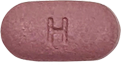
Colchicine 0.5 mg tablets target the inflammatory response involved in gout rather than acting like an everyday pain reliever. We offer one strength in several quantities; the appropriate quantity depends on the regimen prescribed for flare treatment or prevention.
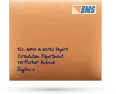
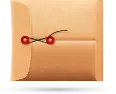
Your order is carefully packed and ships within 24 hours. Here's the typical package.
Sized like a regular personal letter (24x11x0.7 cm), with no indication of its contents.
Front View
Side View
Back View
Delivery Times
Delivery Method
Estimated delivery
Express Free for orders over A$430.36
Estimated delivery to Australia: 4-7 days
Standard Free for orders over A$286.91
Estimated delivery to Australia: 14-21 days
Payment Methods
Discount Coupons
Australia Day - 26 January 2026 10%AUSDAY10
Labour Day - 2 March 2026 6%LABOUR6
ANZAC Day - 25 April 2026 8%ANZAC8
King's Birthday - 8 June 2026 7%KING7
Boxing Day - 26 December 2026 12%BOXING12
Brand Names
Also known as (by country):
Country
Brand Names
Australia
Colgout
United States
ColcrysLodoco
Canada
PMS-Colchicine
FAQ
In Australia, colchicine is a Schedule 4 Prescription Only Medicine, so a prescription is required when buying it from a local pharmacy. Our store policy allows you to order colchicine 0.5 mg tablets without supplying a prescription, and the order can be sent by mail.
Colchicine 0.5 mg tablets are taken by mouth and should be swallowed as directed. The available product information does not confirm that these tablets can be crushed, chewed or split, so do not alter them without advice from a pharmacist or prescriber.
These tablets contain colchicine 0.5 mg as the active ingredient. A generic and a brand-name medicine may have the same active ingredient and strength, but the manufacturer, tablet appearance, packaging and inactive ingredients can differ.
Check the package label for "colchicine" as the active ingredient, "0.5 mg" as the strength and "tablets" as the dosage form. Also compare the manufacturer name, batch number, expiry date and any tablet imprint with the package information. Do not use the tablets if the ingredient, strength or dosage form does not match your order.
Solid oral tablets can generally be transported when packed to protect them from moisture, light and physical damage. Keep the received tablets in their original container and store them at 20°C to 25°C; brief excursions between 15°C and 30°C are permitted. After arrival, check the packaging and product for damage, moisture, leaks, or visible changes before use.
Store colchicine 0.5 mg tablets at 20°C to 25°C. Brief temperature excursions between 15°C and 30°C are permitted. Keep them in the original container, protected from light and moisture, and out of reach of children.
Colchicine is an anti-gout medicine used to relieve pain and inflammation during acute gout attacks and to help prevent recurrent gout attacks. It does not lower uric acid levels, so it is not a substitute for long-term urate-lowering treatment when that treatment is indicated.
Take colchicine 0.5 mg tablets by mouth, swallowed with water, with or without food. Follow the prescribed dose and timing exactly: dosing differs between treating an acute gout attack and preventing attacks. Colchicine has a narrow safety margin, so do not take extra tablets or change the dose without medical advice.
The most common side effects are diarrhoea, nausea, vomiting and abdominal pain. Severe or persistent gastrointestinal symptoms can signal excessive colchicine exposure. Seek urgent medical help for severe vomiting or diarrhoea, muscle pain or weakness, unusual bruising or bleeding, fever, sore throat, or marked tiredness.
Some medicines can substantially raise colchicine levels and increase the risk of serious toxicity. Important examples include clarithromycin and erythromycin, ciclosporin, certain antifungal medicines, verapamil, diltiazem and some HIV medicines; grapefruit can also increase exposure. The risk is higher with kidney or liver impairment, so a pharmacist or prescriber should check all medicines and supplements before colchicine is started.
Description
Colchicine 0.5 mg tablets require precise use
Colchicine 0.5 mg tablets have a specific role in managing gout-related inflammation. Colchicine is not an everyday pain reliever and does not reduce the uric acid level that causes gout. It instead modifies the inflammatory response to urate crystals, which is why it may be prescribed for an acute gout flare or to help prevent flares during longer-term treatment.
The practical purchase decision is not a choice between strengths: we currently offer only the 0.5 mg oral tablet. It is a choice between the available tablet quantities, guided by the regimen an authorised prescriber has recommended. This matters because colchicine has a narrow therapeutic index. Taking more than directed does not simply produce a stronger effect; it can cause serious and potentially life-threatening toxicity.
Before selecting a quantity, confirm the intended use, the prescribed dose and duration, and whether kidney or liver function or another medicine changes the safety of the regimen. Those points are more important than choosing the largest package.
Its role in gout treatment
Colchicine is an oral medicine for gout supplied here as immediate-release 0.5 mg tablets. It is used in adults to treat the inflammation associated with an acute gout flare and may also be prescribed at a lower ongoing dose to reduce the risk of further attacks. These are different routines, so a quantity suitable for one may not suit the other.
Colchicine does not lower uric acid. Medicines such as Allopurinol or febuxostat have a different purpose: they reduce uric acid over time to help prevent future attacks. A prescriber may use colchicine alongside urate-lowering treatment, particularly when treatment is started or adjusted, because changes in uric acid can temporarily trigger flares.
This distinction helps prevent two common purchasing errors. Colchicine should not be mistaken for a general painkiller, and it should not be purchased as a substitute for prescribed long-term urate-lowering treatment. Its role depends on the clinical plan in which it is used.
Is Colchicine appropriate for your treatment plan?
Whether Colchicine is suitable depends on more than the presence of joint pain. Gout should be properly assessed, and a prescriber should decide whether colchicine, a non-steroidal anti-inflammatory drug (NSAID), a corticosteroid or another approach is appropriate. Colchicine may be considered when it fits the person's existing conditions, medicines and treatment goals, but it is not automatically safer than the alternatives.
Important decision factors include:
Purpose: clarify whether the tablets are for an acute flare, short-term prevention around a change in urate-lowering treatment or another prescribed preventive routine.
Timing: colchicine is generally most useful when an acute-flare regimen is started promptly, but the exact instructions and maximum dose must come from the prescriber or product directions.
Kidney and liver function: reduced clearance can allow colchicine to accumulate, and severe impairment or certain interacting medicines may make its use unsuitable.
Current medicines: some antibiotics, antifungals, antiviral medicines, transplant medicines and cholesterol-lowering medicines can materially increase the risk of toxicity.
Pregnancy or breastfeeding: use requires an individual assessment of potential benefit and risk. In Australia, colchicine is classified as Pregnancy Category D.
Age and indication: the gout indications described here are established for adults. Use in children requires specialist direction for an appropriate indication and exact dosing.
Do not use the package quantity to design a regimen. The quantity should support a treatment plan that has already been checked for dose limits, interactions and individual risk.
How Colchicine controls inflammation
During a gout flare, urate crystals in and around a joint activate immune cells and produce an intense inflammatory response. Colchicine disrupts microtubule activity within certain cells, reducing processes involved in immune-cell movement and inflammation. This can reduce the pain, redness, warmth and swelling associated with a flare even though colchicine is not an analgesic in the usual sense.
The mechanism explains several practical features of treatment. Starting an acute-flare regimen promptly can matter because the inflammatory process becomes established over time. Taking extra tablets does not compensate safely for a late start, however, and a dose should never be increased beyond the prescribed regimen. The same mechanism also explains why colchicine can help prevent flares without correcting the underlying uric acid level.
For long-term gout control, treatment may therefore involve separate components: lifestyle measures where appropriate, a urate-lowering medicine to address uric acid, and a medicine such as colchicine to manage or prevent inflammation. Not every person needs every component, and the plan should be individualised.
A routine based on the prescribed directions
Colchicine dosing varies according to the indication, kidney and liver function, interacting medicines and the prescriber's instructions. Follow the exact directions supplied for your regimen rather than relying on a previous flare plan or another person's dose.
For an acute flare, start only as directed and do not repeat a full treatment course sooner than advised.
For prevention, take the prescribed dose consistently at the chosen time. Do not double a dose to compensate for a missed tablet unless a health professional has specifically instructed you to do so.
Swallow the tablet with water. It may be taken with food if this helps with stomach upset, unless the supplied directions say otherwise.
Stop taking colchicine and seek prompt medical advice if significant diarrhoea, vomiting or abdominal pain develops. Gastrointestinal symptoms can be early signs of excessive exposure rather than effects to ignore.
Keep the medicine where children cannot access it. Even a relatively small overdose can be extremely dangerous and requires urgent emergency assessment.
Store the tablets at 20°C to 25°C, with brief excursions permitted between 15°C and 30°C. Keep them in the original container, protected from light and moisture. Do not use tablets that are expired or stored contrary to the product directions.
Quantities available from us
We offer Colchicine 0.5 mg tablets in quantities of 60, 90, 120, 180, 270 and 360 tablets. Each option contains the same active ingredient, oral tablet form and 0.5 mg strength; only the tablet count changes.
A smaller quantity may be more appropriate when a prescriber has recommended a limited regimen or when treatment is being reviewed soon. A larger quantity may suit an established preventive regimen, but only when the prescribed daily use and expected duration justify it. Consider the number of tablets the directions require, how soon the treatment will be reviewed and whether the medicine can be used before its expiry date.
Choosing more tablets does not provide a clinical advantage by itself. Colchicine should not be kept as an unrestricted medicine for undiagnosed joint pain or shared with someone else. Select the quantity that matches the confirmed plan rather than assuming the largest option offers the best fit.
How quickly can Colchicine help a gout flare?
Colchicine is not an instant pain reliever. When an appropriate acute-flare regimen is started early, some people begin to notice improvement during the first 12 to 24 hours, with further improvement over the following few days. The response varies with how early treatment begins, the severity of the flare and individual clinical factors.
Do not take an extra dose because relief is not immediate. Increasing or repeating colchicine without direction can raise toxicity risk while failing to address another possible cause of the symptoms. Seek medical review if pain and inflammation continue to worsen, do not begin to improve as expected or are accompanied by fever, marked illness or uncertainty about the diagnosis.
Preventive treatment has a different measure of success. It is intended to reduce the likelihood of future attacks while the broader gout plan takes effect, not to produce a sensation after each dose. Continued flares do not necessarily mean the preventive dose should be increased; they may indicate that the overall treatment plan needs review.
Safety priorities and warning signs
The narrow therapeutic index of colchicine makes dose accuracy, interaction screening and early recognition of toxicity essential. Known hypersensitivity to colchicine or a tablet ingredient is a contraindication. Kidney or liver impairment may require a changed regimen or make treatment unsuitable, especially when an interacting medicine is also present.
Pregnancy requires a careful benefit-risk assessment because colchicine is Australian Pregnancy Category D. Colchicine also passes into breast milk, so breastfeeding should be discussed with the prescriber. Anyone planning pregnancy, pregnant or breastfeeding should not start or stop prescribed treatment without individual advice.
An overdose is a medical emergency even if severe symptoms have not yet appeared. Contact emergency services or the Poisons Information Centre promptly after taking more than directed. Do not wait for symptoms and do not attempt to manage an overdose at home.
Keep the current package and medicine list available when seeking help. They can assist a health professional in identifying the strength, likely amount taken and possible interactions.
Which medicines and foods interact with Colchicine?
Colchicine is processed through pathways that include CYP3A4 and the P-glycoprotein transporter. Medicines that strongly inhibit these pathways can substantially increase colchicine exposure. The risk can be especially serious in people with reduced kidney or liver function.
Some antibiotics: macrolides such as clarithromycin can cause dangerous increases in colchicine exposure. Always tell the prescriber or pharmacist that you take colchicine before starting an antibiotic.
Some antifungal and antiviral medicines: strong pathway inhibitors may require avoidance or a specifically adjusted regimen.
Ciclosporin and certain other immune-modifying medicines: combinations can increase colchicine concentrations and the risk of muscle or other toxicity.
Statins and fibrates: combining these cholesterol-lowering medicines with colchicine may increase the risk of muscle damage, particularly when other risk factors are present.
Grapefruit and grapefruit juice: these can affect colchicine metabolism and should be discussed with a pharmacist or prescriber.
Provide a complete list of prescription medicines, over-the-counter products and complementary medicines before starting colchicine. Seek prompt advice for new muscle pain or weakness, numbness, unusual bruising, severe fatigue, persistent gastrointestinal symptoms or signs of infection. Do not stop an essential medicine solely because it appears in an interaction category; the prescriber should assess the exact medicine, dose and combination.
Conditional comparisons with other gout medicines
Gout treatments serve different purposes, so the most useful comparison starts with the treatment goal. An option that suits one person or one stage of gout management may be inappropriate in another situation.
Approach
Main role
Decision considerations
Colchicine
Treats inflammation during an acute flare and may help prevent flares
Early use may matter; dose limits, kidney or liver function and interactions require careful review
NSAIDs such as naproxen or indomethacin
Treat acute pain and inflammation
May be unsuitable with kidney disease, gastrointestinal bleeding risk, cardiovascular concerns or certain other medicines
Treat acute inflammation when clinically appropriate
Route, duration, blood glucose effects, infection risk and other conditions can influence suitability
Urate-lowering medicines such as Allopurinol or febuxostat
Reduce uric acid to prevent future flares and complications
Used as ongoing treatment rather than as immediate relief for an active flare
Kidney impairment does not automatically make an NSAID a better alternative to colchicine; it can limit the suitability of both medicines. A corticosteroid may sometimes be considered when colchicine and NSAIDs are unsuitable, but it has its own risks. The safest choice depends on the person's conditions, current medicines and the features of the flare.
Similarly, Colchicine and urate-lowering treatment are not interchangeable. Colchicine can control or prevent inflammation, whereas urate-lowering treatment addresses the underlying uric acid level. They may be prescribed together because their roles complement rather than duplicate each other.
Australian prescription status and our ordering policy
In Australia, colchicine is a Schedule 4 Prescription Only Medicine. Australian regulation therefore requires it to be prescribed by an authorised prescriber. Colchicine is also listed on the Pharmaceutical Benefits Scheme for specified clinical uses, although subsidy depends on the applicable restriction and the patient's eligibility.
This regulatory classification is separate from our ordering policy. Our checkout does not require a prescription document to be uploaded for this product. That checkout requirement does not alter the medicine's Schedule 4 classification or replace the need for appropriate prescribing and medical guidance.
Before obtaining Colchicine, make sure a qualified health professional has confirmed the intended regimen and checked relevant conditions and medicines. Australian registration details for a particular supplied brand, sponsor and strength can be checked in the Australian Register of Therapeutic Goods. Suspected adverse events may be reported to the Therapeutic Goods Administration.
What to expect when placing an order with us
Choose one of the Colchicine 0.5 mg tablet quantities we offer and check that the count matches the regimen and expected duration discussed with the prescriber. Our checkout uses Australian dollars and allows you to review the selected product and quantity before confirmation.
If you need help understanding our listed options or checkout, our support team is available 24/7 by email, online chat and phone. Pharmacist support is also available for medicine-related questions. A pharmacist can help identify an interaction or explain general use information, but cannot safely replace an individual diagnosis or prescribing decision.
Keep the product details and your confirmed directions available when asking a question. This is particularly important with Colchicine because the 0.5 mg strength, number of tablets per dose, course limits and interval before any repeat treatment must not be confused.
A decision centred on regimen and safety
Colchicine 0.5 mg tablets may be appropriate for treating an acute gout flare or preventing flares as part of a broader plan. Their main distinction is targeted control of gout-related inflammation without lowering uric acid. That makes Colchicine different from both everyday pain relievers and long-term urate-lowering medicines.
The key choice is not strength, because we offer one 0.5 mg strength. It is whether the medicine fits the prescribed purpose and which available quantity matches that regimen. Confirm the dosing plan, kidney and liver considerations, possible interactions and review schedule before selecting a count.
If those points are clear, compare our 60-, 90-, 120-, 180-, 270- and 360-tablet options according to the genuine treatment duration. If they are not clear, seek advice before proceeding rather than estimating a dose or quantity. With colchicine, precise use and interaction screening are central to a sound purchase decision.
I'm in Launceston and want to order enough tablets for future gout flares. Can you tell me how much shelf life will be left when the colchicine arrives?
A
Answered by Support team
We cannot guarantee a specific remaining shelf life before dispatch. The exact expiry date is printed on the medicine packaging, so please check it when your order arrives and use the tablets only before that date.
Q
Asked by Lachlan, Gold Coast, Australia
I've previously used Colgout in Australia. Can I switch to these generic colchicine tablets for my gout?
A
Answered by Support team
Check that your Colgout label or prescription and this product match for active ingredient, strength and dosage form: colchicine 0.5 mg tablets. The manufacturer, tablet appearance, packaging and inactive ingredients may differ, so ask your pharmacist or prescriber to confirm a switch if any of those details matter for your treatment.
Q
Asked by Tahlia, Bunbury, Australia
I've just found out I'm pregnant and have been taking colchicine to prevent gout attacks. What should I do?
Contact your prescriber promptly for an individual review before continuing treatment. Colchicine is Australian Pregnancy Category D, and whether it should be continued depends on why it is being used, the dose and the balance of maternal benefit and fetal risk.
Product specifications
Active ingredient
Colchicine
Drug class
Antigout agent
Dosage form
Tablets
Available strengths
0.5 mg
Route
Oral
Storage
Store at 20°C to 25°C; brief excursions permitted between 15°C and 30°C. Keep in the original container, protected from light and moisture.
ATC code
M04AC01
Regulatory information
Therapeutic approvalThis active ingredient is approved for human medical use across Australia.
Dispensing categoryColchicine in tablet form is classified as a Schedule 4 prescription-only medicine.