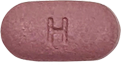
Colchicine 0.5 mg tablets are oral tablets containing the antigout medicine colchicine. In the United States, the indication must be confirmed from the specific product label rather than inferred from the ingredient or strength alone. We offer this strength in packages containing 60 to 360 tablets.
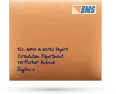
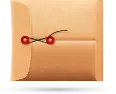
Your order is securely packed and usually ships within 24 hours. Below is what a standard package looks like.
It is about the size of a regular letter (9.4x4.3x0.3 inches) and shows no details about what is inside.
Front View
Side View
Back View
Shipping Times
Shipping Method
Estimated delivery
Express Free for orders over $300.00
Estimated delivery to the U.S.: 4-7 days
Standard Free for orders over $200.00
Estimated delivery to the U.S.: 14-21 days
Payment Methods
Discount Coupons
Independence Day - July 4, 2026 10%JULY410
Labor Day - September 7, 2026 7%LABOR07
Thanksgiving - November 26, 2026 9%THANKS09
Brand Names
Also known as (by country):
Country
Brand Names
United States
ColcrysLodoco
Canada
PMS-Colchicine
Australia
Colgout
FAQ
In the United States, colchicine is a prescription-only medicine when purchased from local pharmacies. Our store policy allows this product to be ordered without a prescription and sent by mail.
Take the missed dose when remembered unless it is nearly time for the next scheduled dose. If it is close to the next dose, skip the missed dose and resume the regular schedule. Do not take two doses together, because colchicine has a narrow safety margin.
FDA-approved prescription products containing colchicine are available in the United States, and 0.5 mg colchicine is approved in the U.S. for specified cardiovascular risk reduction. The regulatory status of the exact product supplied cannot be confirmed from the available product details, so it should not be assumed to be an FDA-approved product.
A different appearance alone does not mean the tablets are wrong. Compare the package label for colchicine, the 0.5 mg strength, tablet dosage form, manufacturer, lot number, and expiration date; also compare the tablet imprint when one is present. Do not use the medicine until a mismatch in ingredient, strength, dosage form, imprint, seal, or condition has been clarified.
Tablets can normally be transported when packed to protect them from moisture, light, and physical damage. Keep the product in its original container and within its labeled storage conditions of 68°F to 77°F; brief excursions between 59°F and 86°F are permitted. After arrival, check the packaging and product for damage, moisture, leaks, or visible changes before use.
Store the tablets at 68°F to 77°F, with brief excursions permitted between 59°F and 86°F. Keep them in the original container, protected from light and moisture. Store them securely out of reach of children, as even a small overdose can be dangerous.
Colchicine is an antigout medicine used to treat and help prevent gout flares. Depending on the prescribed product and regimen, colchicine is also used for Familial Mediterranean fever and, in certain adults, to reduce cardiovascular events. It does not lower uric acid levels or replace long-term urate-lowering treatment when that is needed.
Use during pregnancy requires caution: colchicine crosses the placenta, and the expected benefit and potential fetal risk should be assessed for the individual situation. Colchicine is present in breast milk; published reports have not identified harmful effects in breastfed infants, but maternal need and possible infant exposure should be considered. Pregnancy and breastfeeding should be discussed separately with the clinician managing the treatment.
Take colchicine 0.5 mg tablets by mouth exactly as directed for the condition being treated or prevented. They may be taken with or without food; taking a dose with food may help if stomach upset occurs. The dose and maximum amount differ substantially between gout treatment, flare prevention, Familial Mediterranean fever, and cardiovascular use, so a regimen for one purpose should not be used for another.
Diarrhea, nausea, vomiting, and abdominal pain are the most common side effects. Severe or persistent stomach symptoms can be early signs of excessive colchicine exposure. Seek urgent medical care for severe vomiting or diarrhea, unusual bleeding or infections, marked muscle pain or weakness, numbness, or symptoms after taking too much colchicine.
Description
The 0.5 mg strength is the first decision point
Our listing is for Colchicine 0.5 mg oral tablets. The most important purchasing decision is not simply whether colchicine is the required active ingredient, but whether this exact strength and labeled product match the intended treatment. In the United States, FDA approval, indications, and dosing instructions attach to a specific finished medicine; they cannot be assumed from the word "colchicine" or from the strength alone.
This distinction is especially important because FDA-approved 0.5 mg colchicine is available under the brand name Lodoco for reducing cardiovascular events in certain adults with established atherosclerotic cardiovascular disease or multiple cardiovascular risk factors. Colchicine also has established roles in gout and familial Mediterranean fever, but a buyer should not assume that every 0.5 mg tablet carries all of those indications. Confirm the product label, intended use, and dosing instructions with a prescriber or pharmacist before choosing a package.
Product identity and clinical role
Each tablet in this listing contains 0.5 mg of colchicine and is taken by mouth. Colchicine is commonly classified as an antigout agent, although its anti-inflammatory effects are used in more than one clinical setting. It is not an NSAID, corticosteroid, pain reliever, or uric acid-lowering medicine.
For gout, colchicine may be prescribed to treat a flare or help prevent flares in an appropriate formulation and regimen. For familial Mediterranean fever, it may be used as continuing treatment to reduce inflammatory attacks and complications. Low-dose colchicine also has a separate cardiovascular role when supplied and prescribed as the specifically approved product. These uses involve different clinical goals, schedules, and labeling, so they should not be treated as interchangeable simply because the active ingredient is the same.
Our listing identifies the medicine as Colchicine rather than as Colcrys or Lodoco. A brand name, generic name, and active ingredient may overlap without establishing that two finished products have the same approved indications. Check the packaging and accompanying medicine information when the order is received, and ask our support team if the listing details need clarification before checkout.
Who should consider this product with a prescriber?
Colchicine is generally considered after a clinician has identified a specific reason for treatment. It is not a suitable way to self-diagnose new joint pain, unexplained swelling, recurrent fever, chest symptoms, or cardiovascular risk. Several conditions can resemble a gout flare, and the correct treatment depends on the diagnosis as well as the product label.
Someone prescribed colchicine should confirm that the prescription or treatment plan specifies 0.5 mg tablets rather than another strength.
A person considering it for gout should establish whether the goal is flare treatment, short-term prevention when another therapy is started, or longer-term prophylaxis.
A person with familial Mediterranean fever needs a continuing regimen selected according to age, response, tolerability, and the applicable product instructions.
A person considering low-dose colchicine for cardiovascular risk reduction should confirm that the prescribed product and indication correspond to the FDA-approved cardiovascular labeling.
Anyone with kidney disease, liver disease, a history of blood disorders, neuromuscular symptoms, or several current medicines needs an interaction and dose review before treatment.
Colchicine has a relatively narrow safety margin. A dose that is appropriate for one indication or patient may not be appropriate for another, and taking extra tablets can cause serious or fatal toxicity. Product selection should therefore begin with the exact strength and labeled use rather than with package size or convenience.
How colchicine acts in the body
Colchicine alters microtubule activity inside cells and reduces several steps in the inflammatory response. In gout, this limits the response of white blood cells to urate crystals in a joint. It can reduce inflammation from a flare, but it does not remove urate crystals or lower the amount of uric acid in the blood.
That difference matters in long-term gout care. A person may be prescribed colchicine to prevent flares while also taking a separate urate-lowering medicine such as Allopurinol. The two medicines serve different purposes. Colchicine controls inflammatory activity, while urate-lowering treatment addresses the underlying uric acid level over time.
In familial Mediterranean fever, continuing colchicine treatment reduces inflammatory attacks and helps protect against complications. In its approved cardiovascular role, low-dose colchicine is intended to reduce inflammatory processes associated with cardiovascular events. It does not replace cholesterol management, blood pressure control, smoking cessation, antiplatelet treatment when indicated, or other measures selected by a clinician.
How should the tablets be used safely?
Use Colchicine 0.5 mg tablets only according to the directions for the specific product and indication. Gout flare treatment, gout prophylaxis, familial Mediterranean fever treatment, and cardiovascular risk reduction do not share one universal schedule. A dosing instruction for another strength or brand should not be converted without professional guidance.
Check that the prescribed strength is 0.5 mg and that the product label corresponds to the intended use.
Follow the exact number of tablets and dosing interval provided by the prescriber or product instructions.
Do not take additional tablets because symptoms remain uncomfortable or because a dose was missed. Obtain missed-dose advice from the applicable instructions or a healthcare professional.
Do not share colchicine with another person, even if that person reports similar symptoms.
Keep an up-to-date list of prescription medicines, nonprescription products, and supplements so that interactions can be checked.
Seek immediate advice after an accidental overdose or dosing error, even if symptoms have not yet appeared.
Store the tablets at 68°F to 77°F; brief excursions between 59°F and 86°F are permitted. Keep them in the original container and protect them from light and moisture. Store all medicines where children and other household members cannot take them accidentally.
Our available package quantities
We offer one strength, 0.5 mg, in packages of 60, 90, 120, 180, 270, or 360 tablets. These quantities provide a choice of supply size without changing the strength or dosage form. Selecting more tablets does not change how the medicine should be taken.
The appropriate quantity depends on the verified regimen and expected duration of treatment. A short course, an intermittent regimen, and continuing daily treatment can require very different amounts. Because the exact use cannot be inferred from the package quantity, calculate the required supply from the instructions provided for this product rather than from a general colchicine schedule found elsewhere.
Before choosing a larger package, consider whether the regimen is stable, whether follow-up or laboratory monitoring is planned, and whether any medicine changes could affect continued use. Also check the expiration and storage information after receiving the package. Ordering more than the planned treatment requires can lead to unnecessary medicine remaining in the home.
Expected results depend on the indication
There is no single response timeline for every use of colchicine. When an appropriate colchicine product is prescribed early for a gout flare, improvement may begin during the first day or two, although the flare can take longer to settle. Lack of immediate relief is not a reason to take extra tablets. Persistent or worsening symptoms require clinical review because the diagnosis, timing, interaction profile, or treatment choice may need reconsideration.
When colchicine is used to prevent gout flares or manage familial Mediterranean fever, success is assessed over time by changes in the frequency and severity of attacks and by tolerability. Preventive treatment may not produce a sensation that the medicine is working. Adherence to the selected regimen and planned follow-up are more useful than judging it after one dose.
Cardiovascular risk reduction is also a long-term preventive goal rather than an effect a person can feel. It should not be evaluated through day-to-day symptoms, and colchicine should not be used to respond to possible heart attack or stroke symptoms. Chest pressure, sudden weakness, facial drooping, difficulty speaking, or other emergency symptoms require immediate emergency care.
Safety priorities and warning signs
Gastrointestinal effects are common with colchicine, but they can also be early signs that exposure is too high. Diarrhea, nausea, vomiting, and abdominal pain should not automatically be dismissed, particularly when symptoms are severe, persistent, or accompanied by weakness or dehydration. Contact a healthcare professional for advice rather than changing the dose independently.
Prompt medical assessment is important for unusual bruising or bleeding, fever or other signs of infection, severe muscle pain or weakness, numbness or tingling, pale skin, marked fatigue, reduced urination, or persistent vomiting or diarrhea. These symptoms may indicate blood-cell, muscle, nerve, kidney, or systemic toxicity. An overdose can initially resemble a severe gastrointestinal illness and may later cause life-threatening organ damage.
People with a known allergy to colchicine or another product ingredient should not use the medicine. Pregnancy requires an individualized benefit-risk decision. Colchicine crosses the placenta, and the available human evidence must be considered alongside the reason treatment is needed, the dose, organ function, and interacting medicines. Colchicine is also present in human milk. Breastfeeding decisions should account for the mother's clinical need and observation of the infant for gastrointestinal effects such as diarrhea.
Pediatric use depends on the indication, age, dose, and labeled product. Colchicine has established use for familial Mediterranean fever in some children aged 4 years and older, but that does not make every tablet or indication suitable for a child. Pediatric dosing must be set by an appropriate clinician.
Interactions can determine whether colchicine is suitable
Colchicine is handled by the CYP3A4 enzyme and the P-glycoprotein transport system. Medicines that strongly inhibit either pathway can raise colchicine exposure and increase the risk of severe toxicity. This risk can become especially dangerous when kidney or liver function is impaired.
Some macrolide antibiotics, particularly clarithromycin, can substantially increase colchicine levels.
Certain azole antifungals, HIV medicines, transplant medicines, and other strong CYP3A4 or P-glycoprotein inhibitors may require avoidance or a carefully managed change in treatment.
Verapamil, diltiazem, and some other cardiovascular medicines can affect colchicine exposure.
Statins, fibrates, and other medicines associated with muscle injury may increase concern about muscle toxicity when used with colchicine.
Grapefruit and grapefruit juice can affect CYP3A4 activity and should be discussed with a pharmacist or prescriber.
This is not a complete interaction list. Do not stop an antibiotic, cholesterol medicine, heart medicine, or other necessary treatment solely because it appears in a general list. A prescriber or pharmacist should assess the exact medicines, doses, duration, kidney and liver function, and reason colchicine is being used.
Reduced kidney or liver function may require dose adjustment, less frequent dosing, closer monitoring, or selection of another treatment. In some circumstances, combining colchicine with a strong interacting medicine is contraindicated. This review should happen before the first dose whenever possible, not only after side effects appear.
Which alternatives may be more appropriate?
The relevant comparison depends on why colchicine is being considered. Alternatives for an acute gout flare are not substitutes for long-term uric acid control, and neither group should be treated as an alternative to a specifically approved cardiovascular product.
For an acute gout flare, an NSAID such as naproxen or indomethacin or a corticosteroid such as prednisone may be considered. Kidney function, ulcer or bleeding risk, cardiovascular conditions, diabetes, and other medicines influence that choice.
For long-term gout management, urate-lowering medicines such as Allopurinol, febuxostat, or probenecid address uric acid rather than directly treating the inflammation of an active flare. Colchicine may be used temporarily alongside urate-lowering treatment to reduce flare risk.
For familial Mediterranean fever, colchicine is a foundational treatment. Specialist-directed biologic therapy may be considered when there is confirmed resistance or intolerance, but it is not a routine interchangeable choice.
For cardiovascular risk reduction, Lodoco is used as an adjunct in selected adults. It does not replace standard cardiovascular prevention, and another gout-labeled colchicine product should not be assumed to provide the same labeled option.
No medicine is universally preferable. The decision depends on the confirmed diagnosis, exact objective, product label, organ function, interaction profile, prior response, and ability to follow the regimen safely.
U.S. prescription status and our ordering policy
Colchicine is a prescription-only medicine in the United States. FDA-approved prescribing information for individual colchicine products is available through DailyMed and includes the applicable indications, doses, contraindications, interactions, and warnings. Suspected serious adverse events and product-quality concerns can be reported to the FDA MedWatch program.
The U.S. regulatory classification is separate from our ordering process. Our ordering policy for this listing does not require a prescription upload at checkout. That is a statement about what our checkout requests; it does not make colchicine an over-the-counter medicine or broaden the approved uses of any product.
A customer should still have an appropriate clinician confirm the reason for treatment, strength, regimen, and interaction profile. Our pharmacist can help with product and medicine questions, but support does not replace diagnosis, prescribing, emergency assessment, or individualized follow-up.
Ordering and receiving the correct product
Before placing an order, select one of the package quantities we offer and verify that the listing shows Colchicine 0.5 mg tablets. Check the strength carefully because colchicine products in the United States may use a different strength, and tablet counts alone do not establish equivalence.
Our support team is available 24/7 by email, online chat, or phone, and a pharmacist is available for medicine-related questions. Customers can contact us before checkout if they need clarification about the listed strength, dosage form, package quantity, or ordering process.
When the package arrives, compare the product name, 0.5 mg strength, tablet count, labeling, expiration information, and container condition with the order. Do not use the tablets if the strength or identity does not match the intended product, the seal or container appears compromised, or the labeling is unclear. Contact our support team so the order details can be reviewed.
A focused final decision
Colchicine 0.5 mg tablets are a reasonable product to consider only when the active ingredient, oral tablet form, exact strength, labeled indication, and planned regimen all match. The shared ingredient does not make every colchicine product interchangeable: gout treatment, gout prophylaxis, familial Mediterranean fever management, and cardiovascular risk reduction have different labeling and practical requirements.
Before choosing among our packages of 60 to 360 tablets, confirm the intended use and calculate the quantity from the verified regimen. Review kidney and liver function, current medicines, and important interaction risks with a prescriber or pharmacist. Knowing how to respond to gastrointestinal effects, muscle symptoms, blood-cell warning signs, and dosing errors is equally important because colchicine toxicity can be severe.
The strongest purchase decision is therefore based on product identity and clinical fit rather than on strength or package size in isolation. Once those points are confirmed, select the package quantity that corresponds to the planned course and use our support channels if any listing or order detail remains unclear.
My colchicine package was left outside in Austin during hot weather. Can I still use the tablets?
A
Answered by Support team
Keep the package, check that the container and tablets are dry and undamaged, and compare the label's storage instructions before use; the labeled storage range is 68°F to 77°F, with brief excursions between 59°F and 86°F.
Q
Asked by Megan Thompson, Los Angeles, United States
I received my order in Los Angeles, but the package seal looks torn. Should I take the tablets?
A
Answered by Support team
No. Do not use tablets from packaging with a torn seal or otherwise compromised condition until the discrepancy has been checked. Keep the package and its label available so the product, lot number, and expiration date can be reviewed.
Q
Asked by Brian Walker, Columbus, United States
I have chronic kidney disease and was prescribed clarithromycin for a chest infection. Is colchicine still safe to take for a gout flare?
Clarithromycin can greatly raise colchicine levels, and kidney disease further increases the risk of serious toxicity. This combination needs prompt review by the prescriber or pharmacist before colchicine is taken; do not use a standard gout dose on your own in this situation.
Product specifications
Active ingredient
Colchicine
Drug class
Antigout agent
Dosage form
Tablets
Available strengths
0.5 mg
Route
Oral
Storage
Store at 68°F to 77°F; brief excursions permitted between 59°F and 86°F. Keep in the original container, protected from light and moisture.
ATC code
M04AC01
Regulatory information
Approval StatusColchicine is approved for human medical use by the US Food and Drug Administration.
Prescription RequirementsColchicine tablets are classified as a prescription medicine in the United States and require a valid prescription from a licensed healthcare provider.