General Information
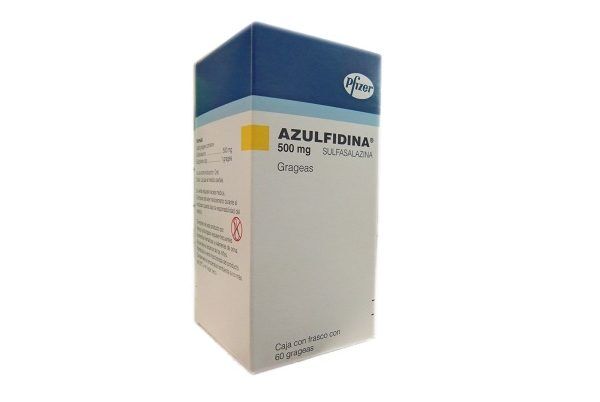
Azulfidine is a medication that has anti-inflammatory and anti-microbial qualities. It is a mixture of 5-aminosalicylic acid and sulfapiridin. The medication is absorbed in small amounts from the colon's lumen and then evenly distributed within the connective tissue. Because Azulfidine is more readily absorbed (up to 30% of the dose), it primarily has a broad anti-inflammatory effect.
According to the National Library of Medicine, Azulfidine is prescribed for the following conditions:
- Rheumatoid arthritis.
- Polyarticular Juvenile Idiopathic Arthritis.
- Ulcerative colitis.
There are also non-FDA approved (off-label) indications:
- Ankylosing Spondylitis;
- Crohn's Disease;
- Psoriatic Arthritis.
See your physician before using the medication.
How to Take
Azulfidine is given with 240-250 ml of drinking water, preferably before meals.
Side Effects and Contraindications
Side effects frequently occur when the medication builds up a high concentration in the blood plasma. Patients with delayed occurrence of sulfapiridin acetylation rate may experience such a condition. Itchy skin, fever, headaches, gastrointestinal tract issues, and erythema are common adverse effects of the medication.
Restrictions
- hypersensitivity to the medication's ingredients;
- severe liver and kidney conditions;
- up to two years of age.
Period of Pregnancy and Nursing
Pregnancy-related use of Azulfidine is permitted, but only in extreme cases. Expectant mothers are advised to select the lowest effective dosage. Breastfeeding is discontinued if medication is required because it is well excreted in breast milk.
Interactions
Digoxin and folic acid are less absorbed when taking Azulfidine, which strengthens the anticoagulant agents.
Please keep Azulfidine at a temperature of no more than 25°C in a dark place.