


Latisse Ophthalmic Solution

Dosages
Latisse Ophthalmic Solution 0.03%
| Quantity | Price per bottle | You save | Total price | |
|---|---|---|---|---|
| 1 | £28.76 | - | £28.76 | |
| 2 | £25.67 | £6.19 | £51.34 | |
| 3 | £23.45 | £15.95 | £70.35 | |
| 4 | £23.12 | £22.58 | £92.48 | |
| 6 | £22.02 | £40.46 | £132.12 |
Manufacturers
Payment & Delivery
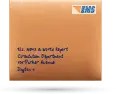
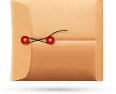
Your order is securely packed and usually dispatched within 24 hours. Here is what a typical parcel looks like.
It is about the size of a regular letter (24x11x0.7 cm) and does not show any details of what is inside.

| Delivery Method | Estimated delivery |
|---|---|
| Express Free for orders over £223.56 | Estimated delivery to the UK: 4-7 days |
| Standard Free for orders over £149.04 | Estimated delivery to the UK: 14-21 days |












Discount Coupons
- New Year's Day - 1 January 2026 9% NEWYEAR9
- Valentine's Day - 14 February 2026 6% VALENTINE6
- St David's Day - 1 March 2026 4% DAVID4
- St Patrick's Day - 17 March 2026 5% PATRICK5
- St George's Day - 23 April 2026 4% GEORGE4
- May Day - 1 May 2026 5% MAYDAY5
- Halloween - 31 October 2026 6% HALLOWEEN6
- Guy Fawkes Night - 5 November 2026 5% GUY5
- Christmas Eve - 24 December 2026 9% XMASEVE9
- Christmas Day - 25 December 2026 10% XMAS10
- Boxing Day - 26 December 2026 10% BOXING10
- New Year's Eve - 31 December 2026 8% NYE8
Brand Names
| Country | Brand Names |
|---|---|
 Australia | Latisse |
 Canada | Latisse |
 United States | Latisse |
FAQ
Description
The single most important thing to understand before comparing bottles, prices or pack quantities is where Latisse Ophthalmic Solution is applied and why that matters. Latisse is a 0.03% bimatoprost solution that is brushed along the upper eyelid margin with a sterile applicator, not routinely instilled into the eye like a glaucoma drop. That distinction changes how you use it and which other bimatoprost-based products are genuinely comparable to it. We supply Latisse Ophthalmic Solution in packs of 1, 2, 3, 4 or 6 bottles at the 0.03% strength, and this guide works through the practical decisions involved in choosing it, using it correctly and ordering it from us with confidence.
What Latisse Ophthalmic Solution is and how it differs from a glaucoma eye drop
Latisse Ophthalmic Solution contains bimatoprost, a synthetic prostaglandin analogue, formulated as a sterile ophthalmic solution at 0.03%. The product we offer is intended for eyelash hypotrichosis - inadequate or insufficient eyelashes - rather than for lowering eye pressure. The same active ingredient appears in eye-drop medicines used for glaucoma and ocular hypertension, but those products are instilled directly into the eye and dosed for a different therapeutic purpose. Latisse is applied once nightly along the skin at the base of the upper eyelashes using a fresh single-use sterile applicator; it should not be deliberately dropped into the eye. Keeping this route and purpose clear is the foundation for everything else in this guide, including the comparisons later on.
Before ordering, consider whether the bottle quantity is suitable and check the package contents for the applicators needed for separate application to each upper eyelid. A bimatoprost bottle intended as a glaucoma eye drop should not be treated as interchangeable with an eyelash product simply because the concentration or active ingredient looks familiar.
Is Latisse Ophthalmic Solution the right choice for you?
Latisse is established for adults who want to grow longer, fuller and darker eyelashes and who have hypotrichosis of the eyelashes. It is not appropriate for everyone, and a few groups should seek individual advice before starting:
- Anyone who is pregnant - bimatoprost should only be used in pregnancy where there is a clear medical justification, which does not apply to cosmetic eyelash growth.
- Anyone who is breastfeeding - it is not known whether bimatoprost passes into human milk, so the mother's need and the possible risk to the infant should be assessed individually.
- Anyone under 16 - safety and effectiveness for eyelash hypotrichosis have not been established in this age group.
- Contact lens wearers - lenses should be removed before application and can usually be reinserted after at least 15 minutes.
- Anyone with active eye inflammation, previous eye surgery, macular problems or ongoing eye-drop treatment - a pharmacist, optometrist or prescriber can assess whether bimatoprost is a sensible addition.
- Anyone with a known allergy to bimatoprost or any excipient in the formulation - the solution should not be used.
It is also worth considering whether you can maintain careful nightly application. Uneven application may produce uneven eyelash growth, while solution repeatedly reaching nearby skin can encourage unwanted hair growth or pigmentation outside the intended treatment line. A clean, controlled routine matters as much as the bottle quantity selected.
How bimatoprost works on the eyelash margin
The exact mechanism by which bimatoprost changes eyelash growth is not fully defined. It is believed to increase the proportion of eyelash hairs in the active growth phase and extend the duration of that phase, producing lashes that become longer, thicker and often darker over a period of weeks. This is distinct from its effect when used as an eye drop for glaucoma, where bimatoprost increases the outflow of fluid from the eye and lowers intraocular pressure. Both effects involve the same active ingredient, but the route, dose and intended outcome are different.
This distinction is important when comparing products. A medicine formulated and labelled for instillation into the eye may have a different bottle design, excipients and instructions, even if it also contains bimatoprost. Do not transfer directions from one presentation to another.
Building a nightly routine with the eyelid-margin applicator
Latisse is designed to fit into an existing evening routine rather than replace it. A consistent nightly habit gives the most predictable results:
- Remove make-up and contact lenses, then make sure the face and eyelids are clean and completely dry.
- Take a fresh sterile applicator and place one drop of solution along its tip.
- Draw the applicator gently along the skin at the base of the upper eyelashes, from the inner to the outer corner, as if applying a fine eyeliner.
- Blot any excess solution outside the eyelid margin with a tissue to limit contact with surrounding skin.
- Discard the applicator after use and repeat with a fresh one for the other upper eyelid. Do not reuse an applicator between eyes or on a later night.
Do not apply the solution to the lower eyelash line, add extra applications to make up for a missed dose or touch the bottle tip to the fingers, eyelid or another surface. More frequent application has not been shown to improve results and can increase local exposure. If other eye drops are needed, leave an appropriate interval between products; 5 minutes is a commonly used minimum unless a healthcare professional or the product instructions specify otherwise.
Store each bottle at 2°C to 25°C, away from direct heat, and keep the cap tightly closed between uses. Missing an occasional night will not immediately undo previous progress, but irregular use can delay or limit the result.
Choosing a bottle quantity that suits your routine
We offer Latisse Ophthalmic Solution in a single strength, 0.03%, so the decision at checkout is about how many bottles suit your plans rather than which concentration to choose. Our available pack quantities are:
- 1 bottle - the lowest available quantity for someone assessing the practical application routine, although it may not provide enough time to judge the full effect.
- 2 or 3 bottles - options for customers who prefer more continuity than the single-bottle pack.
- 4 or 6 bottles - larger quantities for planned ongoing use, since the eyelash effect requires continued application to be maintained.
How long a bottle lasts depends on its fill volume, correct drop formation, accidental wastage and the instructions supplied with the pack. For that reason, it is better to compare the listed bottle counts than to assume a fixed number of treatment weeks per bottle. Whichever quantity you choose, check that you have enough fresh applicators to use one for each upper eyelid on every application night.
How soon can you expect to see results?
Visible change with Latisse is gradual rather than immediate. Some people notice changes after several weeks, while a significant improvement is commonly assessed from around 8 weeks and the fuller effect may take approximately 12 to 16 weeks of consistent nightly application. Individual results vary, and applying extra solution does not make the eyelashes grow faster.
The effect is not permanent. If treatment stops, the eyelashes are expected to return gradually towards their previous appearance over the following weeks to months. This makes Latisse an ongoing routine rather than a one-off permanent treatment. If there is no meaningful improvement after an adequate period of correct use, or eyelash loss is sudden, patchy or accompanied by eyelid symptoms, seek professional advice rather than simply increasing the amount applied.
Safety priorities before you start
Latisse is generally well tolerated when used on the upper eyelid margin as directed, but local effects are possible:
- Itching, redness, dryness or irritation of the eye can occur and is often mild.
- Skin around the treated eyelid can darken with regular exposure. This may fade after treatment stops, although not every pigment or tissue change is guaranteed to reverse completely.
- Increased brown pigmentation of the iris has been reported with prostaglandin eye medicines and may be permanent. Avoiding deliberate instillation and blotting excess solution help limit unnecessary ocular exposure.
- Hair can grow where the solution repeatedly touches skin outside the intended upper eyelid margin.
- Periorbital changes, including deepening of the eyelid crease or loss of fat around the eye, have been reported with prostaglandin analogues.
- Temporary blurred vision can occur if solution gets into the eye. Wait until vision is clear before driving or using machinery.
Stop using the product and obtain advice if you develop persistent redness, pain, swelling, discharge, a marked change in vision or a significant difference between the eyes. People with risk factors for macular oedema, uveitis or other significant ocular disease should discuss treatment with an eye-care professional before use. Avoiding contact between the bottle tip and other surfaces also reduces the risk of contaminating the solution.
What else might interact with your treatment?
Because systemic exposure is very low when bimatoprost is applied correctly to the eyelid margin, clinically significant interactions with oral medicines are not generally expected. The more relevant considerations involve other medicines and products used in or around the eyes. 
If you already use eye drops or eyelid treatments, tell our pharmacist team what they are and why you use them. The products may need to be separated in time, and contact lenses may need to remain out for longer if another medicine has different instructions. Do not stop prescribed glaucoma or anti-inflammatory treatment in order to start Latisse without advice from the professional managing the eye condition.
Latisse, generic bimatoprost, Lumigan and Ganfort compared
Bimatoprost appears in more than one type of product, and the differences between them matter more than the shared active ingredient suggests. Latisse Ophthalmic Solution compared with Bimatoprost
Feature Latisse Ophthalmic Solution Bimatoprost Active ingredient Bimatoprost Bimatoprost Available strengths 0.03% 0.01%, 0.03% Dosage form Ophthalmic solution Eye drops, solution Application route Topical (applied to the upper eyelid margin) Ocular instillation or topical eyelid use depending on product Supplied applicators Includes single-use sterile applicators Standard dropper bottle without dedicated eyelid applicators Primary purpose Enhancing eyelash prominence and length Lowering intraocular pressure or generic eyelash care
Latisse Ophthalmic Solution compared with Lumigan eye drops
Feature Latisse Ophthalmic Solution Lumigan eye drops Active ingredient Bimatoprost Bimatoprost Available strengths 0.03% 0.1 mg/mL (0.01%), 0.3 mg/mL (0.03%) Dosage form Ophthalmic solution Eye drops, solution Application site Upper eyelid margin only Instilled directly into the conjunctival sac Primary indication Treatment of eyelash hypotrichosis Reduction of raised intraocular pressure in glaucoma Application accessories Supplied with dedicated sterile applicators Supplied as an ocular dropper bottle
Latisse Ophthalmic Solution compared with Ganfort eye drops
Feature Latisse Ophthalmic Solution Ganfort eye drops Active ingredients Bimatoprost Bimatoprost + timolol Medicine class Prostaglandin analogue Prostaglandin analogue with beta-blocker Available strengths 0.03% 0.3 mg/mL + 5 mg/mL Dosage form Ophthalmic solution Eye drops, solution Route of administration Topical (applied to the upper eyelid margin) Direct instillation into the eye Main clinical use Promoting eyelash growth and fullness Lowering intraocular pressure in open-angle glaucoma
Prescription status and access in the United Kingdom
Bimatoprost is authorised for human medicinal use in the United Kingdom, and the supplied ophthalmic solution dosage form has prescription-only status. This describes the medicine's regulatory classification and does not establish the approval status of every brand, strength or package presentation. It is also separate from our ordering process: our policy does not require you to submit a prescription before we accept and process an order for Latisse Ophthalmic Solution.
Our ordering policy does not remove the value of professional advice, particularly if you have an eye condition, use prescription eye drops, are pregnant or breastfeeding, or have had eye surgery. Our pharmacist-supported team is available by email, online chat or phone, 24 hours a day, to discuss questions before an order is packed.
Ordering, delivery and receiving your order from us
We have supported customers since 2017. Latisse Ophthalmic Solution is available from us in packs of 1, 2, 3, 4 or 6 bottles, with checkout in pounds sterling. Once an order is placed, our team packs it and arranges delivery to UK addresses, with tracking provided so you can follow the parcel to its destination.
On receipt, check that the product name, 0.03% strength and bottle count match the order. Inspect the packaging and do not use a bottle if its seal is damaged, the solution appears abnormal or the expiry information is unsuitable. Store it within the stated 2°C to 25°C range after delivery. If a query arises while the order is in transit or after it arrives, our support channels remain open around the clock, and a pharmacist is available to help clarify questions about the product.
Making your decision
The choice that matters most with Latisse Ophthalmic Solution is recognising it as an upper-eyelid-margin treatment for eyelash hypotrichosis and keeping it separate from bimatoprost eye drops used to lower eye pressure. Once that is clear, the remaining decisions are practical: whether nightly application is realistic for you, whether any eye condition or medicine requires professional review, and which of the available 1, 2, 3, 4 or 6-bottle packs matches your plans.
Allow enough time to assess a gradual result, use a fresh applicator for each eye, avoid extra applications and remember that continued use is needed to maintain the effect. We are ready to pack and deliver the bottle count you select, with pharmacist-supported help available if questions arise before or after ordering.

Product specifications
| Active ingredient | Bimatoprost |
|---|---|
| Drug class | Prostaglandin analogue |
| Dosage form | Ophthalmic solution |
| Available strengths | 0.03% |
| Route | Topical (applied to the upper eyelid margin) |
| Storage | Store at 2°C to 25°C. |
| ATC code | S01EE03 |
Regulatory information
More information
Reviews
No reviews or ratings yet. Share your experience and help other customers.