


Latisse Ophthalmic Solution (Bimatoprost 0.03%) for Eyelash Growth

Dosages
Latisse Ophthalmic Solution 0.03%
| Quantity | Price per bottle | You save | Total price | |
|---|---|---|---|---|
| 1 | C$54.36 | - | C$54.36 | |
| 2 | C$48.52 | C$11.69 | C$97.04 | |
| 3 | C$44.32 | C$30.14 | C$132.95 | |
| 4 | C$43.69 | C$42.67 | C$174.78 | |
| 6 | C$41.62 | C$76.47 | C$249.70 |
Manufacturers
Payment & Shipping
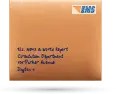
Your order is securely packed and usually ships within 24 hours. Here is what a typical parcel looks like.
It is about the size of a regular letter (24x11x0.7 cm) and does not show any details of what is inside.


| Shipping Method | Estimated delivery |
|---|---|
| Express Free for orders over C$422.51 | Estimated delivery to Canada: 4-7 days |
| Standard Free for orders over C$281.68 | Estimated delivery to Canada: 14-21 days |










Discount Coupons
- Victoria Day - May 18, 2026 8% VICTORIA8
- Canada Day - July 1, 2026 10% CANADADAY10
- Labour Day - September 7, 2026 6% LABOUR6
- Thanksgiving (Canada) - October 12, 2026 9% THANKS9
- Boxing Day - December 26, 2026 12% BOXING12
Brand Names
| Country | Brand Names |
|---|---|
 Canada | Latisse |
 United States | Latisse |
 Australia | Latisse |
FAQ
Description
If you're comparing bimatoprost products before deciding what to order, the detail that matters most is this: Latisse Ophthalmic Solution is formulated and labelled specifically for eyelash growth, applied with a sterile applicator along the upper eyelid margin, and it is not the same product as a glaucoma eye drop that lowers intraocular pressure. Both may use the same active ingredient, bimatoprost, but their formulation, method of application, and labelled purpose can differ. The practical consequence for anyone comparing options is simple: a product meant for lash growth should not be substituted for a glaucoma drop, and vice versa, even when the ingredient name looks identical on a label.
What Latisse Ophthalmic Solution Is and Why It's Different
We offer Latisse Ophthalmic Solution as a 0.03% bimatoprost topical solution, supplied as a liquid in a bottle together with sterile single-use applicators. Bimatoprost belongs to the prostaglandin analog class of medicines, and in this dosage form it is applied topically to the skin at the base of the upper eyelashes rather than dropped directly into the eye for pressure control. We currently offer this exact formulation in packages of 1, 2, 3, 4, or 6 bottles, which lets a customer match the listing to how long a supply they want on hand without changing anything about the product itself. Every package we list is the same strength and the same ophthalmic solution; only the bottle count changes.
Who May Consider Using Latisse?
Latisse is intended for adults who want to grow longer, fuller, and darker eyelashes and who have been told they have eyelash hypotrichosis, or simply thinner lashes than they would like. Because it is a topical prostaglandin analog, a few groups should pay particular attention before starting:
- Adults without a known allergy to bimatoprost or to any ingredient in the solution are the intended users of this eyelid-margin treatment.
- People who are pregnant should discuss use with a prescriber first, since human pregnancy data are limited and animal studies have shown reproductive effects at higher systemic exposures.
- People who are breastfeeding should use caution, as it is not known whether bimatoprost passes into human milk.
- Safety and effectiveness have not been established for children, so this product is intended for adult use only.
- Anyone with a history of eye surgery, eye inflammation, or changes in eye colour should mention this to a pharmacist or prescriber before starting.
How Does Latisse Work to Grow Lashes?
Eyelash hairs cycle through growth, transition, and resting phases, much like the hair on the scalp. The precise mechanism by which bimatoprost promotes eyelash growth is not fully established, but it is understood to increase the proportion of eyelash hairs in the active growth phase and extend that phase. Over repeated nightly applications, this can translate into lashes that grow longer, become fuller, and appear darker. This is a gradual biological process tied to the natural hair cycle, not an immediate cosmetic effect, which is why consistent nightly use matters more than any single application.
How Should You Use Latisse Each Night?
Latisse is designed around a simple nightly routine, and building that routine correctly affects both results and safety. A typical application sequence looks like this:
- Remove contact lenses and make sure your face is clean and completely dry before applying.
- Place one drop of solution onto the sterile applicator supplied with the bottle.
- Draw the applicator carefully along the skin at the base of the upper eyelashes, from the inner to the outer corner, similar to applying eyeliner, avoiding the lower lash line.
- Blot any excess solution outside the intended area with a tissue to reduce the chance of hair growth spreading beyond the eyelid margin.
- Discard the applicator after a single use and repeat with a fresh applicator for the other eye.
- Wait at least 15 minutes before reinserting contact lenses.
Applying more than the recommended single application per eye per night does not speed up results and increases the chance of side effects, so sticking to the nightly routine as intended is the most effective approach.
Available Package Sizes for Your Routine
We list Latisse Ophthalmic Solution in packs of 1, 2, 3, 4, or 6 bottles. The larger multi-bottle packages are available for customers who already know this routine suits them and would rather avoid reordering as frequently. None of these package choices change the strength or the formulation; they simply let you plan how much solution you keep on hand. If you'd like to browse other eye care treatments alongside this one, our Eye Care collection is a useful place to look. We store and ship bottles under controlled conditions, and at home we recommend keeping them at 2°C to 25°C, with the cap closed between uses.
Expected Outcomes and Timing
Lash growth with bimatoprost is gradual rather than immediate. Clinical trial data generally show the earliest visible changes in lash length and thickness around four weeks of nightly use, with the fuller effect typically assessed at around sixteen weeks of continuous application. Results vary between individuals, and the improvement depends on continuing nightly use, since the hair cycle effect is not permanent. If the solution is stopped, lashes gradually return toward their original appearance over a period of weeks to months as the normal hair cycle reasserts itself.
Important Safety Priorities
Most people tolerate eyelid-margin bimatoprost well, but a few effects are worth knowing before starting:
- Mild eye itching, redness, or a feeling of dryness at the application site are the most commonly reported effects.
- Darkening of the eyelid skin can occur and may lessen if the product is stopped, though this is not guaranteed in every case.
- A change in iris colour, usually an increase in brown pigment, has been reported and is considered permanent; this is more often seen in eyes with mixed colouring, such as hazel, green, or blue-brown irises.
- Hair growth can appear in skin areas the solution contacts beyond the intended eyelid margin, which is why blotting excess solution matters.
- If the solution gets into the eye itself, it may cause temporary blurred vision; waiting until vision is clear before driving or operating machinery is a sensible precaution.
Latisse should not be used by anyone with a known hypersensitivity to bimatoprost or any ingredient in the solution, and anyone noticing unexpected eye pain, vision changes, or signs of infection should stop use and seek advice promptly.
Interactions and Practical Precautions
Because Latisse is applied topically to the eyelid margin rather than swallowed, it has a narrower interaction profile than many oral medicines, but a few practical points are still worth checking before you start.

If you use another prostaglandin analogue, including a glaucoma eye drop from the same medicine class, ask a prescriber or pharmacist before combining it with Latisse because additional bimatoprost exposure may affect intraocular pressure or increase local effects such as pigmentation and hair growth. Mention topical ophthalmic anti-inflammatory medicines, including NSAID drops, and corticosteroid products used near the eyelids so that application timing, irritation, and the condition being treated can be assessed. Latisse contains benzalkonium chloride, which may be absorbed by soft contact lenses, so remove lenses before application and wait at least 15 minutes before reinserting them. When more than one product is used around the eye, keep applicators and bottle tips clean and follow professional advice about spacing applications to avoid washing one product away or increasing irritation.
Latisse Compared with Other Bimatoprost Treatments
Because several products share the bimatoprost molecule, it helps to see how they diverge in form, route, and intended use before deciding what belongs in your routine. We only sell the Latisse Ophthalmic Solution described on this page, but seeing how it relates to other bimatoprost-based options clarifies why they are not interchangeable.
Latisse and Lumigan
Lumigan also contains bimatoprost, but it is formulated and approved as an eye drop for lowering elevated intraocular pressure in conditions such as glaucoma, administered directly into the eye rather than along the eyelid margin. Latisse, by contrast, is applied to the skin at the lash line specifically to grow lashes. The distinction that matters here is the approved use and the application route, not the ingredient name.
Comparing Latisse and Lumigan
| Feature | Latisse Ophthalmic Solution | Lumigan |
|---|---|---|
| Active ingredient | Bimatoprost | Bimatoprost |
| Intended use | Eyelash hypotrichosis (enhancing eyelash growth) | Elevated intraocular pressure in open-angle glaucoma |
| Application site | Upper eyelid margin using sterile single-use applicators | Direct instillation into the eye (ocular drops) |
| Dosage form | Ophthalmic solution | Ophthalmic solution |
| Available strengths | 0.03% | 0.01%, 0.03% |
Latisse and Generic Bimatoprost Topical Solution
A generic bimatoprost topical solution may share the same active ingredient and general application route as Latisse, which is why some customers weigh a generic option against the branded product. Formulation, inactive ingredients, supplied applicators, and labelled uses can differ, so products should not be assumed to be interchangeable solely because they contain bimatoprost. Use a topical formulation only for the purpose and by the route directed by a qualified health professional.
Comparing Latisse and Generic Bimatoprost Topical Solution
| Feature | Latisse Ophthalmic Solution | Bimatoprost topical solution |
|---|---|---|
| Active ingredient | Bimatoprost | Bimatoprost |
| Available strengths | 0.03% | 0.03% |
| Intended use | Treatment of eyelash hypotrichosis | Treatment of eyelash hypotrichosis |
| Application method | Applied to the upper eyelid margin with single-use applicators | Applied to the upper eyelid margin with dedicated applicators |
| Dosage form | Ophthalmic solution | Topical solution |
Latisse and Durysta
Durysta also uses bimatoprost, but as an intracameral implant placed inside the eye by a prescriber to manage intraocular pressure, a completely different route and purpose from a topical eyelid-margin solution applied at home. The comparison is useful mainly to show how differently the same active ingredient can be delivered depending on the clinical goal.
Comparing Latisse and Durysta
| Feature | Latisse Ophthalmic Solution | Durysta |
|---|---|---|
| Active ingredient | Bimatoprost | Bimatoprost |
| Dosage form | Ophthalmic solution | Intracameral implant |
| Administration route | Self-applied nightly to the upper eyelid margin | Injected into the anterior eye chamber by an ophthalmologist |
| Clinical purpose | Promoting eyelash length, thickness, and darkness | Sustained reduction of elevated intraocular pressure |
| Available strengths | 0.03% | 10 mcg implant |
Do You Need a Prescription to Order Latisse in Canada?
In Canada, bimatoprost is authorised for human medicinal use, and the Latisse ophthalmic solution dosage form is classified as a prescription medicine. That regulatory classification is a fact about the medicine itself and is separate from how we process an order. Our own ordering policy does not require you to submit a prescription before we accept your order, so we can process a Latisse order without requiring prescription paperwork up front. A pharmacist on our team remains available to answer questions about suitability, application technique, or side effects, whether or not you have discussed Latisse with a prescriber beforehand. If you are uncertain whether this product is right for your situation, that conversation with our pharmacist, or with your own prescriber, is a sensible step before you start a nightly routine.
Ordering, Delivery, and Receiving Your Package
We have supported customers across Canada since 2017, and our team is reachable 24 hours a day, seven days a week, by email, online chat, or phone, with a pharmacist available to answer product questions directly. Orders are priced and processed in Canadian dollars, and once an order is placed we pack it carefully and dispatch it promptly. Delivery timing varies with destination within Canada, and we treat any delivery estimate as just that, an estimate, while aiming to get your package to you as efficiently as we can. If anything about your order needs attention after dispatch, our support channels remain open to help track it through to arrival.
Making Your Decision
Choosing Latisse Ophthalmic Solution comes down to confirming that an eyelid-margin lash-growth treatment, rather than a glaucoma drop or an implanted device, matches what you are looking for, then picking a bottle count from our 1, 2, 3, 4, or 6 bottle packages that fits how long you expect to continue the nightly routine. With the mechanism, timing, safety points, and comparisons laid out here, and with our pharmacist and support team available if questions come up along the way, you should have what you need to place an order with confidence.

Product specifications
| Active ingredient | Bimatoprost |
|---|---|
| Drug class | Prostaglandin analog |
| Dosage form | Ophthalmic solution |
| Available strengths | 0.03% |
| Route | Topical (applied to the upper eyelid margin) |
| Storage | Store at 2°C to 25°C. |
| ATC code | S01EE03 |
Regulatory information
More information
Reviews
No reviews or ratings yet. Share your experience and help other customers.