


Latisse Ophthalmic Solution

Dosages
Latisse Ophthalmic Solution 0.03%
| Quantity | Price per bottle | You save | Total price | |
|---|---|---|---|---|
| 1 | $38.60 | - | $38.60 | |
| 2 | $34.45 | $8.30 | $68.90 | |
| 3 | $31.47 | $21.40 | $94.40 | |
| 4 | $31.03 | $30.30 | $124.10 | |
| 6 | $29.55 | $54.30 | $177.30 |
Manufacturers
Payment & Shipping
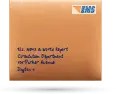
Your order is securely packed and usually ships within 24 hours. Below is what a standard package looks like.
It is about the size of a regular letter (9.4x4.3x0.3 inches) and shows no details about what is inside.


| Shipping Method | Estimated delivery |
|---|---|
| Express Free for orders over $300.00 | Estimated delivery to the U.S.: 4-7 days |
| Standard Free for orders over $200.00 | Estimated delivery to the U.S.: 14-21 days |










Discount Coupons
- Independence Day - July 4, 2026 10% JULY410
- Labor Day - September 7, 2026 7% LABOR07
- Thanksgiving - November 26, 2026 9% THANKS09
Brand Names
| Country | Brand Names |
|---|---|
 United States | Latisse |
 Canada | Latisse |
 Australia | Latisse |
FAQ
Description
Latisse Ophthalmic Solution and the glaucoma drops that share its active ingredient are easy to confuse, and that confusion matters practically. We sell Latisse Ophthalmic Solution, 0.03% bimatoprost, formulated and labeled specifically as a once-nightly eyelid-margin treatment for inadequate or not enough eyelashes (hypotrichosis) - not as an eye-pressure-lowering drop instilled directly into the eye. The practical consequence for anyone comparing options is this: Latisse's dosing and applicator method are built around a thin line of solution brushed along the upper eyelid skin at the base of the lashes, once every evening, using a fresh sterile applicator for each eye. A glaucoma-labeled bimatoprost drop is not interchangeable with Latisse in its labeled purpose, dosing, route, or application method, even though both products rely on the same molecule. When you choose Latisse Ophthalmic Solution from us, you're getting the exact eyelash treatment and applicator routine studied for eyelash growth, not a repurposed glaucoma product.
What Exactly Is Latisse Ophthalmic Solution?
Latisse Ophthalmic Solution is a sterile, preservative-containing topical solution supplied at a single strength, 0.03% bimatoprost, a synthetic prostaglandin analog. We offer it in bottle quantities of 1, 2, 3, 4, or 6, so you can match your order to how long you expect to follow the nightly routine. The dosage form is a solution, not a gel, cream, or extended-release implant, and the labeled route is topical application to the upper eyelid margin - the skin at the base of the upper lashes - rather than instillation into the eye itself. That distinction is central to how Latisse is used and dosed, and it separates Latisse from both ophthalmic drops aimed at reducing intraocular pressure and implantable prostaglandin devices. Every bottle we list reflects this same identity: the same active ingredient, the same 0.03% strength, the same eyelid-margin application method, and the same brand presentation, so moving between our package sizes only changes the number of bottles, not the product itself.
Who May Consider Latisse, and What Should Factor Into That Decision?
Latisse is indicated for the treatment of eyelash hypotrichosis in the established adult population, helping lashes grow longer, thicker, and darker. Before adding Latisse to a nightly routine, it helps to weigh a few personal factors alongside that indication:
- Current eye health, including any history of eye inflammation, elevated eye pressure, macular edema, or ongoing eye surgery, since an eye doctor's familiarity with your history can inform how Latisse fits alongside other eye care.
- Pregnancy or breastfeeding status, because adequate controlled studies in pregnant women have not been conducted, and breastfeeding use calls for added caution.
- A personal history of lighter or mixed iris coloring, since prostaglandin analogs such as bimatoprost can gradually darken the iris, and this change may be permanent.
- Diabetic retinopathy or diabetic macular edema risk factors, which the label flags for caution before starting bimatoprost.
- Age: safety and effectiveness in children have not been established, so no pediatric dosing recommendation is available.
These factors call for individualized assessment and may affect whether Latisse is appropriate for a particular person. Discuss them with a prescriber or eye care professional before your first application.
How Does Latisse Actually Work on the Eyelid?
Bimatoprost belongs to a class of medicines called prostaglandin analogs. Its precise mechanism for promoting eyelash growth is not fully understood. Applied along the upper eyelid margin, it is thought to increase the percentage of eyelash hairs in the active growth, or anagen, phase and extend that phase, producing lashes that become longer, thicker, and darker over repeated nightly use. This effect is gradual rather than immediate: it works with the existing hair cycle, which is why consistent nightly application over several weeks - not occasional or skipped use - is central to the labeled routine. Because the effect depends on continued treatment and the natural hair cycle, discontinuing Latisse allows lashes to gradually return toward their previous appearance over time rather than preserving the longer, fuller look indefinitely.
How Do You Use Latisse to Build a Nightly Routine?
Latisse is designed around a simple, repeatable nightly habit rather than an occasional treatment. A practical routine generally follows this order:
- Remove contact lenses and makeup, clean the face, and make sure the eye area is dry before application.
- Place one drop of Latisse Ophthalmic Solution on the supplied sterile disposable applicator.
- Immediately draw the applicator gently along the skin at the base of the upper eyelashes, from the inner part of the lash line outward, as if applying a thin line of eyeliner.
- Blot any excess solution beyond the eyelid margin with a tissue or other absorbent material to limit contact with surrounding skin.
- Discard the applicator after use. Repeat the process on the other upper eyelid with a new sterile applicator; do not reuse applicators or use the same applicator for both eyes.
- If you wear contact lenses, wait at least 15 minutes after applying Latisse before reinserting them.
Apply Latisse only to the upper lash line, never to the lower eyelid. This limits solution contact with unintended skin and reduces the chance of unwanted hair growth outside the treatment area. Avoid touching the bottle tip to the eye, fingers, applicator, or any other surface. More frequent application will not increase eyelash growth. Because the effect depends on consistent use, building application into an existing nightly habit - alongside brushing your teeth or a skincare routine - can help you follow the labeled schedule.
Which Latisse Package Size Fits Your Plan?
We currently offer Latisse Ophthalmic Solution exclusively at its standard 0.03% strength, in bottle quantities of 1, 2, 3, 4, or 6. Because Latisse is intended for ongoing nightly use rather than a short course, the package size you choose mainly affects how many bottles you receive before you need to reorder, not the product's strength or formulation. A few practical points to weigh when choosing a quantity:
- A single-bottle package may suit someone beginning the routine or placing an initial order.
- Choosing multiple bottles at once, such as 3, 4, or 6, reduces how often you need to reorder once you know Latisse fits your nightly routine.
- Because the labeled benefit depends on consistent nightly use over weeks, planning your supply can help avoid an unplanned gap during the treatment period.
Every package quantity we list contains the same Latisse Ophthalmic Solution, 0.03% bimatoprost, so the decision is about the number of bottles, not a change in strength or formulation.
What Results Can You Expect, and How Soon?
Clinical trials supporting Latisse's eyelash indication assessed results over 16 weeks of nightly use. Improvement is gradual, and some people may begin noticing changes after several weeks, while more substantial improvement is generally assessed after about eight weeks and can continue to build through week 16. Individual timing varies, and Latisse is not designed to produce an overnight or one-to-two-week transformation. It is reasonable to follow the consistent nightly routine for the studied period before judging the full result. Just as important, because the effect depends on continued treatment and the active hair-growth cycle, lashes are expected to gradually return toward their previous appearance over weeks to months if nightly application stops. For anyone comparing Latisse with a faster temporary cosmetic option, this is the trade-off worth factoring in - a topical routine that takes patience and consistency in exchange for a nonsurgical way to promote the lashes' own growth cycle.
Important Safety Priorities Before You Start
Latisse's label outlines several effects worth understanding before your first application. Bimatoprost can increase brown iris pigmentation, particularly if the solution repeatedly enters the eye; this change may be permanent and can be more noticeable in eyes with mixed coloring, such as green-brown, blue-brown, or gray-brown irises. Eyelid skin in the treated area can also darken, an effect that may lessen after stopping use. Other effects reported with use include:
- Eye itching, redness, or a sensation of irritation after application.
- Dry eyes, temporary stinging, or discomfort around the eye.
- Temporary blurred vision if solution reaches the eye, which is why driving or operating machinery is best delayed until your vision is clear.
- Hair growth on skin that repeatedly comes into unintended contact with the solution beyond the lash line.
- Changes around the eyelid, including deepening of the eyelid crease or loss of fat around the eye, which have been reported with prostaglandin analog use.
The label also directs added caution for anyone with active intraocular inflammation or risk factors for macular edema, including aphakia, a torn posterior lens capsule, diabetic retinopathy, or diabetic macular edema. Pregnancy and breastfeeding also warrant individual assessment because human data are limited. Stop using the product and seek professional advice for a marked change in vision, significant eye pain, signs of infection, eye trauma, or a severe reaction. These are specific topics to raise with a prescriber or eye care professional before beginning treatment.
Interactions and Practical Precautions
Because Latisse is applied to the eyelid margin rather than swallowed, clinically important systemic drug interactions are not expected, but other eye treatments and application practices still matter. Using more than one prostaglandin analog may alter the intended effect on intraocular pressure, so anyone using bimatoprost, latanoprost, travoprost, tafluprost, or another prostaglandin treatment for glaucoma should consult the prescribing eye professional before adding Latisse. Ophthalmic NSAIDs and glaucoma combination drops should also be included when reviewing the complete eye-treatment routine, even though they are not established as direct interactions with eyelid-applied Latisse. Separate different topical eye medicines by at least five minutes unless the prescriber gives different instructions. Benzalkonium chloride in Latisse can be absorbed by soft contact lenses, so lenses should be removed before application and reinserted only after at least 15 minutes.

Reviewing your full list of eye drops and other ophthalmic treatments with a prescriber or pharmacist before adding Latisse helps confirm appropriate timing and avoids duplicating prostaglandin therapy.
Latisse Compared with Lumigan, Generic Bimatoprost, and Durysta
Bimatoprost appears in more than one product, and knowing the practical differences helps confirm whether Latisse is the right match for your goal.
Latisse Ophthalmic Solution Compared with Lumigan
| Feature | Latisse Ophthalmic Solution | Lumigan |
|---|---|---|
| Active ingredient | Bimatoprost | Bimatoprost |
| Primary indication | Eyelash hypotrichosis (lash growth) | Elevated intraocular pressure and glaucoma |
| Application route | Topical to upper eyelid margin with applicator | Direct ophthalmic instillation into the eye |
| Dosage form | Ophthalmic solution | Ophthalmic solution eye drops |
| Available strengths | 0.03% | 0.01%, 0.03% |
Lumigan contains bimatoprost but is labeled and dosed as an eye-pressure-lowering drop instilled directly into the eye for glaucoma or ocular hypertension. Its dosing, route, and clinical use are built around a different therapeutic goal from Latisse's upper-eyelid-margin application for eyelash hypotrichosis. The two products should not be substituted for one another based only on their shared active ingredient.
Latisse Ophthalmic Solution Compared with Generic Bimatoprost
| Feature | Latisse Ophthalmic Solution | Bimatoprost |
|---|---|---|
| Active ingredient | Bimatoprost | Bimatoprost |
| Primary indication | Eyelash hypotrichosis | Eyelash hypotrichosis |
| Dosage form | Ophthalmic solution | Ophthalmic solution |
| Available strengths | 0.03% | 0.03% |
| Product category | Brand-name reference product | Generic bioequivalent formulation |
A generic product specifically supplied as bimatoprost 0.03% for eyelash hypotrichosis may share Latisse's active ingredient, strength, dosage form, and intended route while differing in inactive ingredients, applicators, or packaging. Generic bimatoprost eye drops intended for glaucoma are a different comparison and should not be repurposed for the eyelid simply because they contain bimatoprost. Choosing between brand Latisse and an appropriate generic eyelash product may come down to labeling, applicator presentation, inactive ingredients, and professional guidance.
Latisse Ophthalmic Solution Compared with Durysta
| Feature | Latisse Ophthalmic Solution | Durysta |
|---|---|---|
| Active ingredient | Bimatoprost | Bimatoprost |
| Primary indication | Eyelash hypotrichosis (lash growth) | Open-angle glaucoma and ocular hypertension |
| Dosage form | Ophthalmic solution | Intracameral implant |
| Administration method | Self-applied nightly to upper eyelid margins | Physician-administered in-office eye implant |
| Available strengths | 0.03% | 10 mcg |
Durysta takes a completely different approach: it is a biodegradable implant placed inside the eye by an ophthalmologist to release bimatoprost for reducing intraocular pressure in open-angle glaucoma or ocular hypertension. Durysta's route, administration setting, and medical purpose make it fundamentally different from a self-applied eyelid solution such as Latisse. It is not an alternative treatment for eyelash hypotrichosis.
If your interest extends beyond eyelash growth into broader eye health topics, our Eye Care category is a useful place to continue browsing related treatments.
Latisse Access and Prescription Status in the United States
Bimatoprost is authorized for human medicinal use in the United States, and this ophthalmic solution dosage form carries a prescription classification here. Those two facts describe the ingredient's regulatory standing and the solution's prescription classification - they are separate from how we handle your order. Our ordering policy does not require you to submit a prescription for us to accept your Latisse order, so you can complete checkout for any of our bottle quantities without uploading one. If you already have a prescription from your eye doctor, you are welcome to reference it, but it is not a requirement we enforce at checkout. This means you can order Latisse Ophthalmic Solution from us without submitting a prescription, even though the dosage form itself is classified as prescription-only in the United States. We still encourage anyone starting Latisse for the first time to discuss it with an eye doctor, particularly given the pigmentation, eye-health, pregnancy, and diabetic retinopathy considerations covered earlier, but that conversation is not a condition of ordering from us.
Ordering, Delivery, and Receiving Your Latisse
We've operated MedicalBrandNames since 2017, and our support team is available 24/7 by email, online chat, and phone, with a pharmacist on hand to answer questions about Latisse Ophthalmic Solution before or after you order. Prices on our site are shown in US dollars, and you can choose any of our available bottle quantities - 1, 2, 3, 4, or 6 - at checkout. Once your order is packed, we dispatch it for delivery to your US address. Typical delivery timing depends on the shipping option selected at checkout; we treat any delivery window we quote as an estimate rather than a guarantee because transit time can vary once a package leaves our hands. When your Latisse arrives, store it at 36°F to 77°F, away from direct heat, and keep the bottle securely closed between nightly applications. If anything about your shipment looks different from what you ordered, or if you have a question about tracking, our support team is reachable around the clock to help sort it out.
Making Your Decision
Choosing Latisse Ophthalmic Solution comes down to confirming that it matches your goal: a nightly, self-applied upper-eyelid-margin treatment specifically intended for eyelash growth. It is distinct from glaucoma drops that share its active ingredient, from generic products that may have different labeling or applicator presentations, and from an implanted device intended to lower pressure inside the eye. If that gradual, consistency-dependent routine fits what you are looking for, the remaining decision is mainly practical - which bottle quantity matches your supply needs and which shipping option you prefer. We've made the same Latisse Ophthalmic Solution, 0.03% bimatoprost, available across every package size we offer, so your choice at checkout changes only the number of bottles, not what each bottle contains.

Product specifications
| Active ingredient | Bimatoprost |
|---|---|
| Drug class | Prostaglandin analog |
| Dosage form | Ophthalmic solution |
| Available strengths | 0.03% |
| Route | Topical (applied to the upper eyelid margin) |
| Storage | Store at 36°F to 77°F. |
| ATC code | S01EE03 |
Regulatory information
More information
Reviews
No reviews or ratings yet. Share your experience and help other customers.