Dicaris contains levamisole as a 150 mg oral tablet. Its fixed strength, potential effects on blood-cell counts and need for clinically appropriate dosing make suitability and monitoring more important than simply choosing a pack quantity.
This tool only estimates pack size from the values you enter.
×
You need: 21 tabsRecommended packs: 1 x 32 = 32 tabs
Manufacturers
Khandelwal Laboratories Pvt.Ltd.
Payment & Delivery
Package Example
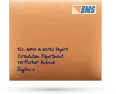
Your order is securely packed and usually dispatched within 24 hours. Here is what a typical parcel looks like.
It is about the size of a regular letter (24x11x0.7 cm) and does not show any details of what is inside.
Front View
Side View
Back View
Delivery Times
Delivery Method
Estimated delivery
Express Free for orders over £225.16
Estimated delivery to the UK: 4-7 days
Standard Free for orders over £150.11
Estimated delivery to the UK: 14-21 days
Payment Methods
Discount Coupons
New Year's Day - 1 January 2026 9%NEWYEAR9
Valentine's Day - 14 February 2026 6%VALENTINE6
St David's Day - 1 March 2026 4%DAVID4
St Patrick's Day - 17 March 2026 5%PATRICK5
St George's Day - 23 April 2026 4%GEORGE4
May Day - 1 May 2026 5%MAYDAY5
Halloween - 31 October 2026 6%HALLOWEEN6
Guy Fawkes Night - 5 November 2026 5%GUY5
Christmas Eve - 24 December 2026 9%XMASEVE9
Christmas Day - 25 December 2026 10%XMAS10
Boxing Day - 26 December 2026 10%BOXING10
New Year's Eve - 31 December 2026 8%NYE8
FAQ
Do not use a tablet from a torn, punctured, open or otherwise damaged blister, as its protection and condition can no longer be confirmed. Keep the pack and contact customer service within 7 days of delivery to arrange a replacement or refund.
The manufacturer of the supplied product may vary. The manufacturer's name is shown on the product packaging.
A different appearance alone does not mean the medicine is incorrect, as packaging and tablet appearance can vary. Compare the active ingredient (levamisole), 150 mg strength, tablet dosage form, manufacturer, package label, batch number, expiry date and any tablet imprint. Do not take the tablets if any of these details are wrong or the package is compromised.
Levamisole should only be used in pregnancy after an individual clinician has assessed whether the expected benefit outweighs the potential risk, because adequate human pregnancy data are lacking. It is also not known whether levamisole passes into breast milk; breastfeeding requires medical advice before treatment, as infant exposure and effects have not been established.
Levamisole is an anthelmintic medicine used to treat susceptible roundworm infections. It has also been used in some specialist settings for immune-related conditions and alongside other medicines in cancer treatment, but these uses require specialist prescribing and supervision.
Description
Dicaris 150 mg tablets require a safety-led decision
Dicaris contains levamisole in a fixed-strength 150 mg oral tablet. The key purchase decision is therefore not simply which pack contains the most tablets: it is whether levamisole is appropriate for the intended condition, whether the 150 mg strength fits the clinician-directed regimen and whether suitable safety monitoring can be arranged. Levamisole is an anthelmintic used against susceptible parasitic worms, but it also affects immune responses and has been used in specialist or historical treatment settings outside routine worm treatment. Those additional uses should not be interpreted as approval for self-treatment of skin conditions, warts, lichen planus or leprosy.
The most important distinction from many commonly considered worm treatments is levamisole's recognised risk of serious blood-cell disorders, including agranulocytosis. This does not mean every person taking it will experience a blood problem, but it does mean that the expected benefit, treatment duration, other medicines and access to blood-count monitoring deserve attention before an order is placed. Dicaris should be chosen for a defined clinical reason rather than because levamisole is familiar or because a larger pack appears more economical.
Product identity and clinical role
Each Dicaris tablet contains 150 mg of levamisole. It is a tablet taken by mouth and belongs to the anthelmintic class of medicines; its ATC code is P02CE01. These details define the product in our catalogue and should remain consistent when it is compared with other options. Dicaris is not a liquid, chewable preparation, modified-release medicine or combination product, and the available quantities do not alter its strength or route of administration.
Levamisole acts against certain susceptible worms, but it should not be treated as an interchangeable treatment for every parasitic infection. The organism involved matters because medicines used for intestinal worms, tissue parasites, scabies and protozoal infections do not all work against the same targets. Levamisole has also been used for its effects on immune responses in some specialist dermatological settings and in certain combination approaches to leprosy. Such use requires clinical oversight and does not establish Dicaris as a general treatment for an unexplained rash, skin infection or wart.
Readers comparing broader treatment categories can view our Antiparasitics category, while keeping in mind that medicines grouped in the same category can have very different indications, dosing requirements and safety profiles.
Is Dicaris suitable for the intended treatment?
Suitability depends on the diagnosed infection or other clinician-defined reason for treatment, the person's age and weight, relevant medical history, concurrent medicines and the intended dosing schedule. A product name alone cannot establish that levamisole is the right treatment. In particular, a fixed 150 mg tablet must not be assumed to provide an appropriate dose for a child, because established paediatric anthelmintic dosing is weight-dependent and the required formulation and dose need to be selected by a clinician.
Reason for treatment: the target organism or specialist indication should be established before levamisole is selected.
Age and body weight: these are especially important for children and anyone for whom a fixed 150 mg tablet may not match the required dose.
Blood and immune history: previous blood-cell disorders or medicines that can affect bone marrow function need clinical review.
Pregnancy or breastfeeding: limited evidence means the potential benefit and risk must be assessed individually.
Allergy: known hypersensitivity to levamisole or another tablet ingredient is a reason not to take the product.
Monitoring: the intended course should allow any blood tests or follow-up considered necessary by the treating clinician.
Diabetes is not identified in established levamisole information as requiring a specific dose adjustment, but that does not remove the need to review the person's complete medicine list and overall health. Similarly, an unspecified history of allergy does not automatically prevent use, whereas a known allergy to levamisole or a tablet ingredient does.
How does levamisole work in practice?
Levamisole acts on nicotinic acetylcholine receptors in susceptible worms. This disrupts neuromuscular activity and paralyses the parasite, allowing it to be expelled from the intestinal tract. The mechanism explains why levamisole can be useful for particular worm infections but not for every parasite. Correct identification of the likely organism remains more useful than choosing an anthelmintic solely because it has worked for a different infection in the past.
Levamisole also has immunomodulatory activity, meaning it can alter aspects of immune-cell function. This property underlies its historical or specialist use in some conditions that are not straightforward worm infections. It does not make the medicine a general immune booster, nor does it mean that any inflammatory or skin condition is an appropriate reason to take Dicaris. The potential effects on immune and blood cells are also part of the reason safety monitoring matters.
The diagram supports the central comparison: Dicaris combines an action against susceptible worms with effects on immune responses, while the fixed 150 mg tablet and risk of serious blood-cell toxicity create practical limits that may not apply in the same way to every alternative.
A clinician-directed routine is essential
Dicaris tablets are taken orally, but the appropriate dose, frequency and course length depend on the reason for treatment and the person receiving it. The supplied 150 mg strength should not be converted into a general dosing instruction. Regimens used for a susceptible worm infection can differ substantially from specialist schedules used for other purposes, and repeating a course without clinical review may increase avoidable risk.
Blood-count monitoring is advised during levamisole treatment because agranulocytosis and other serious haematological effects can occur. The clinician should determine the timing and frequency of testing according to the regimen and individual risk factors. A planned routine should therefore cover more than when to swallow a tablet: it should include any required tests, signs that need prompt medical attention and a clear point at which treatment will be reviewed.
If a dose is missed, the safest response is to follow the instructions supplied by the treating clinician or dispensing professional rather than doubling the next dose. Tablets should be stored between 15°C and 30°C in a dry place, protected from light and kept out of the reach of children. They should remain in suitable packaging so that the product and strength can still be identified correctly.
Available quantities without a change in strength
We offer Dicaris only as the 150 mg oral tablet described here. Available pack quantities are 16, 32, 48, 60, 76 and 92 tablets. The quantity changes the number of tablets supplied, not the dose in each tablet, the active ingredient or the pharmaceutical form.
Smaller quantity: 16 tablets.
Intermediate quantities: 32, 48 or 60 tablets.
Larger quantities: 76 or 92 tablets.
These groupings are a simple way to compare catalogue choices; they are not recommendations for particular course lengths. A larger quantity should not be selected on the assumption that spare tablets can be used for an undiagnosed future illness, shared with another person or used to extend treatment independently. The sensible quantity is the one that corresponds to a defined regimen while limiting unnecessary surplus medicine.
When should an effect be assessed?
There is no single reliable response time that applies to every use of levamisole. The expected timing depends on the organism or condition being treated, the dosing schedule and how improvement is measured. Symptoms can also persist after a parasite has been treated, while apparent short-term improvement does not necessarily confirm that an infection has cleared.
When levamisole is used in a specialist setting for its effects on immune responses, assessment may differ further and can require clinical examination rather than relying on visible change alone. The absence of quick improvement is not a reason to take extra tablets, bring a repeat dose forward or switch medicines without advice. Conversely, an early change in symptoms should not be used to shorten or extend a clinician-directed regimen.
Before starting, it is useful to know what outcome the clinician expects, when it should be reviewed and whether follow-up testing is needed. Seek clinical advice if symptoms worsen, fail to improve within the advised period or return after treatment, as these outcomes may indicate a different diagnosis, an unsuitable medicine or a need for further assessment.
Blood-cell and neurological risks take priority
The principal serious risk associated with levamisole is haematological toxicity, including agranulocytosis, a marked reduction in a type of white blood cell that helps protect against infection. Because this can be serious, blood-count monitoring should be treated as part of the treatment plan rather than left until symptoms occur. Risk assessment is particularly important when treatment is repeated or prolonged, but even a short course should be used only as directed.
Seek prompt medical advice for fever, sore throat, mouth ulcers, unusual tiredness or other possible signs of infection during treatment.
Report unexplained bruising, bleeding or persistent illness rather than waiting for the next routine review.
Do not drive or operate machinery if dizziness, headache or other neurological effects impair alertness or coordination.
Do not use a 150 mg tablet as a standard children's dose; paediatric treatment requires an individually selected dose and suitable formulation.
Discuss pregnancy before use because adequate controlled human pregnancy data are lacking.
Discuss breastfeeding before use because it is not established whether levamisole passes into human milk and serious adverse reactions are possible.
These precautions do not replace the directions provided by a clinician. Urgent or severe symptoms require appropriate medical help rather than an online product comparison. Suspected adverse reactions can also be reported through the MHRA Yellow Card Scheme, including reactions involving an unlicensed medicine.
Interactions and everyday precautions
Levamisole should be reviewed alongside the complete medicine list, including prescribed medicines, non-prescription products and supplements. Particular caution is appropriate with medicines that can suppress bone marrow function or reduce blood-cell counts, because combining such treatments may complicate monitoring or increase risk. The appropriate action may be additional monitoring, a different schedule or selection of another medicine; it should not be decided by stopping an essential treatment without advice.
Alcohol has been associated with unpleasant reactions during levamisole treatment, so avoiding alcohol during the course is a prudent precaution unless the treating clinician advises otherwise. Dizziness and other neurological effects can also be more troublesome when levamisole is combined with medicines or substances that reduce alertness or coordination.
Before taking Dicaris, tell the clinician or pharmacist about previous reactions to levamisole, blood disorders, neurological symptoms and all current treatments. If a new medicine is started while levamisole is being used, check the combination rather than assuming that medicines for unrelated conditions cannot interact. This is especially important when the proposed levamisole regimen is repeated or extended.
Dicaris or another antiparasitic?
No anthelmintic is universally best. The useful comparison is whether a medicine covers the suspected organism, has a suitable formulation and dose, and fits the person's safety profile. Albendazole and mebendazole are benzimidazole anthelmintics used for a range of worm infections, while ivermectin acts through a different parasite receptor system and is considered for conditions including strongyloidiasis and scabies. Piperazine and pyrantel pamoate have distinct mechanisms and dosing patterns. The existence of these alternatives does not make them interchangeable with levamisole or with one another.
Albendazole or mebendazole: may be considered for susceptible intestinal worms, depending on the organism, local guidance and individual factors.
Ivermectin, including Stromectol: has a different mechanism and may be relevant to infections or infestations such as strongyloidiasis or scabies.
Piperazine or pyrantel pamoate: may be considered in selected worm infections, with product-specific dosing and precautions.
Levamisole: may be considered when its particular anthelmintic role is clinically appropriate and its blood-cell risks can be managed.
Protozoal infections require a different comparison. For example, Chloroquine is used in specific malaria contexts and is not a substitute for levamisole in a worm infection. Likewise, levamisole should not be selected for malaria simply because both medicines appear within the wider field of antiparasitic treatment.
UK access and regulatory context
No current UK marketing authorisation for Dicaris 150 mg tablets has been identified in the available official context. No UK-approved Summary of Product Characteristics or Patient Information Leaflet specifically for this product has been identified either. Consequently, the UK prescription classification of this exact Dicaris product cannot be confirmed from a current product authorisation.
This regulatory uncertainty should remain separate from any online ordering process. A catalogue listing does not establish that a medicine is authorised in the UK, confirm its prescription classification or replace an individual assessment of whether it is suitable. Customers should not infer UK approval from the product's availability online or from levamisole's use in other countries or historical settings.
Where a clinician recommends a medicine without a current UK marketing authorisation, that decision involves considerations that are distinct from selecting a pack quantity. These can include the clinical reason for use, available authorised alternatives, monitoring and provision of appropriate instructions. The MHRA Yellow Card Scheme accepts reports of suspected adverse reactions involving medicines, including unlicensed medicines.
Ordering choices and pharmacist support
Our catalogue offers Dicaris 150 mg tablets in quantities of 16, 32, 48, 60, 76 and 92 tablets, with prices presented in pounds sterling. Before ordering, check that both the product identity and quantity match the treatment plan: Dicaris, levamisole, an oral tablet and a strength of 150 mg. Similar-looking product names or a different levamisole strength should not be treated as equivalent without confirmation.
Our support team is available 24/7 by email, online chat and phone for questions about the catalogue or ordering process. Pharmacist support is also available for medicine-related questions. Support can help clarify the product shown and the available quantities, but it cannot turn an uncertain self-diagnosis into a confirmed indication or create an individual dosing plan without the necessary clinical information.
When comparing quantities, focus on the number required for the defined regimen rather than choosing the largest pack automatically. Retain the product identification and any supplied directions after receiving the tablets, and check that the strength shown is 150 mg before use. Questions about suitability, blood tests, interactions or unexpected symptoms should be directed to an appropriate clinician or pharmacist.
A balanced decision on Dicaris
Dicaris is a specific 150 mg levamisole oral tablet, not a general-purpose treatment for every parasite or skin condition. It may be considered when levamisole's anthelmintic action is appropriate, but the decision must account for the fixed strength, the need for age- and weight-appropriate dosing, possible interactions and the recognised risk of serious blood-cell toxicity.
A sound purchase decision therefore has four parts: confirm the clinical reason for levamisole, check that the 150 mg tablet fits the intended regimen, establish what monitoring and follow-up are needed, and choose only the pack quantity required. Children, pregnant or breastfeeding patients, people with relevant blood disorders and anyone taking medicines that affect blood-cell counts need particularly careful clinical assessment.
The absence of an identified current UK marketing authorisation for Dicaris 150 mg tablets adds an important regulatory consideration and should not be confused with our ordering process. If those clinical and regulatory questions have been addressed, the remaining catalogue choice is straightforward because every available option contains the same 150 mg tablet and differs only in quantity.
I live in Belfast and am concerned about medicines travelling in the post. Are Dicaris tablets suitable for ordinary transport?
A
Answered by Support team
Tablets can normally travel by post when they are kept in appropriate protective packaging and handled in line with their labelled storage conditions. Store them dry, protected from light and at 15°C to 30°C after arrival; check that the carton and blister are intact before use.
Q
Asked by Daniel Wright, Derby, United Kingdom
Before I order from Derby, can I check whether Dicaris can be delivered to my postcode?
A
Answered by Support team
Yes. Enter your Derby postcode at checkout to check whether delivery is available for your address before completing the order.
Q
Asked by Aisha Khan, Portsmouth, United Kingdom
I usually eat breakfast straight after getting up. Should I take levamisole with food or on an empty stomach?
Levamisole is generally taken on an empty stomach. Follow the dosing instructions given for your treatment, as the dose and timing depend on the condition being treated.
Product specifications
Active ingredient
Levamisole
Drug class
Anthelmintic
Dosage form
Tablet
Available strengths
150 mg
Route
Oral
Storage
Store tablets at room temperature between 15°C and 30°C in a dry place, protected from light, and keep out of reach of children.
ATC code
P02CE01
Regulatory information
Authorisation statusLevamisole is not authorised for human medicinal use within the United Kingdom.