Nitroglycerin extended-release capsules (2.5 mg and 6.5 mg) deliver long-acting oral nitrate therapy used to help prevent angina attacks in adults with coronary artery disease. We carry both strengths in package sizes from 30 to 360 capsules.
This tool only estimates pack size from the values you enter.
×
You need: 21 capsRecommended packs: 1 x 30 = 30 caps
Manufacturers
Time-Cap Labs
Payment & Shipping
Package Example
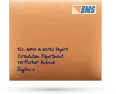
Your order is securely packed and usually ships within 24 hours. Below is what a standard package looks like.
It is about the size of a regular letter (9.4x4.3x0.3 inches) and shows no details about what is inside.
Front View
Side View
Back View
Shipping Times
Shipping Method
Estimated delivery
Express Free for orders over $300.00
Estimated delivery to the U.S.: 4-7 days
Standard Free for orders over $200.00
Estimated delivery to the U.S.: 14-21 days
Payment Methods
Discount Coupons
Independence Day - July 4, 2026 10%JULY410
Labor Day - September 7, 2026 7%LABOR07
Thanksgiving - November 26, 2026 9%THANKS09
Brand Names
Also known as (by country):
Country
Brand Names
United States
Nitro-Time
FAQ
In the United States, nitroglycerin is a prescription-only medicine when purchased from local pharmacies. Our store policy allows orders for these nitroglycerin extended-release capsules without a prescription, and they can be sent by mail.
Take the missed dose when you remember unless it is nearly time for the next scheduled dose. Skip the missed dose if the next dose is due soon, and do not take two doses at once. Because treatment schedules for extended-release nitroglycerin may be designed to limit nitrate tolerance, follow the timing plan provided by the prescriber.
Not necessarily. Nitroglycerin is the active ingredient, but capsule shell materials, fillers, dyes, and other inactive ingredients can vary by manufacturer. The exact inactive ingredients for the product received should be checked on its package insert or label, especially for a known allergy or intolerance.
During pregnancy, nitroglycerin extended-release capsules should be used only when a clinician determines that they are clearly needed, because adequate controlled studies in pregnant people are lacking. During breastfeeding, it is not known whether nitroglycerin passes into human milk, so caution is advised and the treatment decision should weigh the parent's clinical need and nursing considerations.
Oral nitroglycerin extended-release capsules are used to help prevent angina attacks caused by coronary artery disease. They are not intended to provide rapid relief of sudden chest pain; acute chest pain requires the emergency plan and fast-acting medicine, if prescribed, for that situation.
Description
Nitroglycerin is one of the oldest and most trusted medicines for coronary artery disease, and we carry it as an oral extended-release capsule in two strengths, 2.5 mg and 6.5 mg. Unlike the fast-dissolving tablets or sprays people reach for during a sudden anginal attack, this capsule form is built for steady, ongoing prevention. Below, we walk through how nitroglycerin works in the body, what the extended-release capsule involves in daily use, and how it compares with other nitrate products so you can understand exactly what you would be taking and why a prescriber might choose it.
What This Medicine Is
The active ingredient in this product is nitroglycerin, an organic nitrate that belongs to the antianginal vasodilator class. We supply it as an extended-release capsule taken by mouth, distinct from sublingual tablets, sprays, transdermal patches, or topical ointments that also contain nitroglycerin but behave very differently once absorbed. The extended-release formulation releases the drug gradually as it travels through the gastrointestinal tract, aiming to maintain more consistent blood levels between doses rather than the short spike produced by a sublingual dose. We offer both the 2.5 mg and 6.5 mg strengths in package sizes ranging from 30 to 360 capsules, letting you match an order to a prescriber's planned course of therapy.
Why Angina Happens and Where This Medicine Fits
Angina pectoris is the chest discomfort that occurs when the heart muscle temporarily receives less oxygen than it needs, most often because coronary arteries are narrowed by atherosclerosis. During exertion, emotional stress, or cold exposure, oxygen demand outpaces supply, producing the familiar pressure, tightness, or burning sensation behind the breastbone. Extended-release oral nitroglycerin is not meant to break an acute attack in progress; its role is prophylactic, taken on a regular schedule to reduce how often those episodes occur in people with established coronary artery disease. Prescribers typically pair it with lifestyle measures and, when appropriate, other cardiac medicines rather than using it as a stand-alone treatment.
How Nitroglycerin Works in the Body
Nitroglycerin acts as a prodrug for nitric oxide. Enzymes in vascular smooth muscle and the liver, particularly mitochondrial aldehyde dehydrogenase, convert it into nitric oxide and related reactive nitrogen species. Nitric oxide activates soluble guanylate cyclase, raising levels of cyclic GMP inside smooth muscle cells. This second messenger relaxes vascular smooth muscle, with the most pronounced effect on veins. Venodilation reduces the volume of blood returning to the heart, lowering ventricular filling pressure and wall tension, which in turn reduces the amount of oxygen the heart muscle needs to do its work. At higher exposure, nitroglycerin also dilates coronary arteries and collateral vessels and can relieve coronary vasospasm, improving oxygen delivery to the heart muscle at the same time that demand is falling.
Because nitroglycerin's own half-life in the bloodstream is only a few minutes, an extended-release capsule cannot simply rely on a single absorption event. Instead, the formulation releases the drug in a controlled way over several hours, so that new nitroglycerin becomes available for the nitric oxide pathway continuously rather than in one brief pulse. This is a meaningfully different pharmacokinetic strategy from a sublingual tablet, which produces a fast, high, short-lived concentration suited to stopping an attack already underway.
What the Evidence Shows
Organic nitrates have been studied for angina prophylaxis for well over a century, and oral sustained-release nitroglycerin formulations were evaluated in controlled exercise-tolerance studies during the 1970s and 1980s, generally showing improved time to onset of angina and ST-segment changes during treadmill testing compared with placebo. At the same time, clinical research on nitrates as a class has repeatedly identified a central limitation: continuous, unbroken nitrate exposure leads to pharmacologic tolerance, with reduced antianginal effect appearing within as little as 24 to 48 hours of constant dosing. This finding is why prescribers generally build a nitrate-free interval into any regular oral or transdermal nitrate regimen, and it is a key piece of context for understanding the general dosing pattern described below.
Formulation and What Is in the Capsule
Each extended-release capsule contains nitroglycerin in a formulation designed to regulate how quickly the drug is released as the capsule moves through the stomach and intestine. Inactive ingredients and the precise release technology can vary by manufacturer, so people with a known excipient allergy should check the labeling supplied with the specific product. Nitroglycerin is sensitive to heat, light, and moisture, which is why the labeled storage guidance below matters for anyone keeping a supply at home.
What This Medicine Is Used For
The recognized use for this exact product is the prevention, or prophylaxis, of angina pectoris in adults with coronary artery disease. It is intended for people who experience angina on a recurring basis and need ongoing background protection rather than treatment for a single acute episode. It is not a substitute for sublingual nitroglycerin or another fast-acting nitrate kept on hand for an attack that is already happening, and it is not indicated for high blood pressure on its own, even though blood vessel relaxation is part of how it works.
Strengths, Package Options, and General Dosing Principles
We stock this capsule in 2.5 mg and 6.5 mg strengths, in quantities of 30, 60, 90, 120, 180, 270, or 360 capsules per order, so an order can match a short trial or a longer maintenance course. General labeled dosing for oral extended-release nitroglycerin typically starts at 2.5 mg or 6.5 mg three to four times daily, with the prescriber adjusting the strength and schedule based on response and tolerability. Regimens are commonly arranged asymmetrically so that a nitrate-free window of roughly ten to twelve hours occurs each day. This interval is a deliberate strategy to limit the tolerance described above, and it is one of the reasons nitrate therapy is individualized rather than dosed on a simple fixed clock. The capsules are generally taken on an empty stomach, since food can affect absorption from an extended-release formulation, and they should be swallowed whole rather than crushed or opened, which could interfere with controlled release. Follow the directions supplied with the specific product and the schedule given by the prescriber.
Elimination and Half-Life
Nitroglycerin itself is cleared extremely quickly from the bloodstream, with a half-life typically measured in just one to three minutes, because it is rapidly metabolized by liver and vascular enzymes into dinitrate and mononitrate metabolites. Those metabolites are far less potent as vasodilators but persist longer, with half-lives generally measured in tens of minutes, and their breakdown products are eventually cleared through the kidneys. The extended-release capsule's clinical duration of action does not come from a long half-life of the drug itself; it comes from the gradual release of nitroglycerin from the formulation, which keeps feeding small amounts of drug into circulation over several hours even though each individual molecule is metabolized rapidly.
Important Safety Information
The most common effect people notice when starting nitroglycerin is headache, caused by the same vasodilation that relieves angina; it often lessens after the first days or weeks of treatment and can sometimes be managed with a mild pain reliever on a prescriber's advice rather than by stopping the medicine. Lightheadedness, especially when standing up quickly, reflects a drop in blood pressure and is a reason to rise slowly from sitting or lying positions. Because dizziness, blurred vision, and rarely fainting can occur, driving or operating machinery should be approached cautiously, particularly after a dose change. Nitroglycerin has not been established as safe and effective in children, and its label advises using it in pregnancy only when clearly needed, since controlled studies in pregnant women are lacking. It is not known whether nitroglycerin passes into human breast milk, so caution is advised while nursing, and this is a conversation worth having with a prescriber rather than a decision made alone.
Access and How We Handle Orders
In the United States, nitroglycerin is classified as a prescription medicine, and that classification does not change based on how any individual pharmacy structures its checkout. What we require to accept an order is a separate matter: our ordering process for this listing does not require you to upload a prescription document before we process your order, so you can complete checkout without submitting one in advance. Our team, including pharmacists, is available 24/7 by email, online chat, and phone if you have questions about strength, quantity, or how this product fits into an existing cardiac care plan. We have operated this catalog since 2017, and the strengths and package sizes listed here reflect the options we currently offer.
Who Should Not Take This Medicine
Nitroglycerin is contraindicated in anyone with a known hypersensitivity or idiosyncratic reaction to nitroglycerin or other organic nitrates. It must not be combined with phosphodiesterase-5 inhibitors such as sildenafil, tadalafil, or vardenafil, or with the soluble guanylate cyclase stimulator riociguat, because these combinations can cause severe, potentially life-threatening drops in blood pressure. Nitroglycerin can also be dangerous in people with marked hypotension or uncorrected low blood volume. Conditions in which maintaining cardiac filling pressure is especially important, including right ventricular infarction, cardiac tamponade, and constrictive pericarditis, require specialist assessment and may make nitrate treatment inappropriate. People with severe anemia, increased intracranial pressure, recent head trauma, or cerebral hemorrhage should likewise receive medical evaluation before nitrate use rather than starting or continuing it on their own.
Interactions to Discuss With a Prescriber or Pharmacist
Beyond the nitrate-PDE5-inhibitor combination described above, alcohol can add to nitroglycerin's blood-pressure-lowering effect and increase the risk of dizziness or fainting. Other antihypertensive medicines, calcium channel blockers, and beta-blockers such as metoprolol are sometimes used together with nitrates as part of a broader angina treatment plan, but combining them requires attention to cumulative blood pressure effects rather than automatic avoidance. Ergot derivatives may counteract nitrate-related vasodilation or worsen angina in some circumstances. Sharing a full medicine list, including over-the-counter products and supplements, with a pharmacist helps identify interactions that are specific to an individual's regimen.
Side Effects and When to Seek Help
Ordinary, usually self-limiting effects include headache, flushing of the face or neck, mild dizziness, and occasional nausea. These often ease as the body adjusts to treatment. Effects that call for prompt medical attention include fainting, chest pain that feels different from a person's usual pattern or does not ease as directed by an emergency angina plan, a very rapid or very slow heartbeat, and signs of significantly low blood pressure such as severe weakness or confusion. A rare but serious reaction is methemoglobinemia, which can cause bluish discoloration of the lips or skin and reduced oxygen-carrying capacity in the blood; this requires urgent evaluation. Anyone experiencing severe or persistent symptoms after a dose should contact emergency services or seek urgent care promptly.
Overdose and Toxicity
Taking substantially more nitroglycerin than intended can produce pronounced hypotension, reflex tachycardia that may later give way to a slowed heart rate, throbbing headache, visual disturbance, sweating, and, in severe cases, loss of consciousness. Very high exposures raise the risk of methemoglobinemia, which may be treated with methylene blue under medical supervision when clinically appropriate. Management of an overdose is supportive and may involve positioning to support blood pressure, close monitoring, and intravenous fluids. Anyone who has taken more than the prescribed amount, or who develops severe symptoms, should seek emergency medical care right away or contact a poison control resource.
Storage
Store these capsules at 68°F to 77°F in a tightly closed container, protected from light and moisture. Because nitroglycerin is chemically sensitive, keep the container securely closed between doses and avoid exposing the medicine to excessive heat. Do not use capsules beyond the labeled expiration date.
Benefits and Trade-Offs of This Formulation
The main advantage of an oral extended-release capsule is convenience: a scheduled oral dose can be easier for many people to sustain than repeated sublingual dosing or a patch that must be applied and removed daily. The trade-off is a slower, less predictable onset compared with sublingual or spray forms, first-pass hepatic metabolism that limits how much drug reaches circulation intact, and the same nitrate-tolerance issue that affects other long-acting nitrate products, which is why a nitrate-free interval remains part of a well-designed regimen. It is also not appropriate as a rescue option, so most people on a prophylactic nitrate schedule still keep a fast-acting nitrate available separately for breakthrough symptoms, under a prescriber's guidance. Nitroglycerin capsules in this exact extended-release oral form are not approved in every country, and formulations vary by region, so anyone comparing products internationally should confirm the exact strength and release type before assuming equivalence.
Generic Status and Comparable Nitrate Options
Nitroglycerin is a generic active ingredient, and this extended-release capsule is one of several ways it is manufactured and marketed. Other formulations serve different clinical purposes rather than simply competing on price, which is worth understanding before switching between them.
Formulation
Typical role
Onset pattern
Oral extended-release capsule (this product)
Scheduled angina prophylaxis
Gradual, sustained release over hours
Sublingual tablets (e.g., Nitrostat)
Rescue treatment for an acute anginal attack
Rapid, within minutes
Sublingual spray (e.g., Nitrolingual)
Rescue treatment, alternative to tablets
Rapid, within minutes
Transdermal patch (e.g., Nitro-Dur)
Continuous prophylaxis with a scheduled patch-free interval
Slow onset, steady release during application
Topical ointment (e.g., Nitro-Bid)
Prophylaxis with flexible, titratable dosing
Gradual, dose-dependent
Other organic nitrates, including isosorbide dinitrate and isosorbide mononitrate, offer oral prophylactic alternatives with their own onset and duration profiles and are sometimes chosen instead of nitroglycerin depending on how a person tolerates dosing schedules and nitrate-free intervals. Beta-blockers such as metoprolol work through an entirely different mechanism, slowing heart rate and reducing myocardial oxygen demand, and are frequently combined with a nitrate rather than used as a direct substitute for one. Choosing among these options depends on the pattern and severity of angina, other cardiac medicines already in use, and how well a person tolerates nitrate-related side effects, so this decision is best made with a prescriber who can weigh those factors together.
I live in San Antonio, where packages can get very hot. How is this capsule product protected during normal transportation?
A
Answered by Support team
Extended-release capsules can normally be transported when they are appropriately packed and kept in their closed container. After arrival, check that the package is intact and store it at 68°F to 77°F, tightly closed and protected from light and moisture; if heat exposure or product condition is uncertain, check it before use.
Q
Asked by Jennifer W, Indianapolis, United States
Will the package show Nitro-Time, or might it have a different generic name on it?
A
Answered by Support team
We cannot guarantee that a particular brand name will appear on the package. Confirm the active ingredient is nitroglycerin, the dosage form is an extended-release capsule, and the strength is 2.5 mg or 6.5 mg as ordered; the manufacturer and package appearance may differ.
Q
Asked by Patricia J, Nashville, United States
I have been using Nitro-Time in the United States. Can I switch to these capsules when I reorder?
A
Answered by Support team
A replacement should only be considered if the label or prescription matches the active ingredient, strength, and extended-release capsule dosage form. Do not assume a match from the name alone, and have a pharmacist or prescriber review a switch if the strength, release type, or directions differ.
Q
Asked by Sarah B, Jacksonville, United States
Can these nitroglycerin extended-release capsules be mailed to Jacksonville without the capsules being damaged in transit?
A
Answered by Support team
This capsule form can normally travel by mail when properly packed and kept protected from light and moisture. Once it arrives, inspect the container and capsules, then store the medicine at 68°F to 77°F in a tightly closed container; do not use it if the package or capsules appear compromised.
Q
Asked by Anthony V, El Paso, United States
I sometimes take sildenafil for erectile dysfunction. Is it safe to take it while I am using nitroglycerin extended-release capsules?
No. Sildenafil and other PDE-5 inhibitors, including tadalafil and vardenafil, must not be combined with nitroglycerin because the combination can cause a dangerous drop in blood pressure, fainting, heart attack, or stroke. Tell the prescriber who manages your angina about any erectile dysfunction medicine before taking either drug.
Product specifications
Active ingredient
Nitroglycerin
Drug class
Nitrate vasodilator (antianginal)
Dosage form
Extended-release capsule
Available strengths
2.5 mg, 6.5 mg
Route
Oral
Storage
Store at 68°F to 77°F in a tightly closed container, protected from light and moisture.
ATC code
C01DA02
Regulatory information
Approval statusNitroglycerin is officially approved for human medical use in the United States.
Dispensing requirementExtended-release capsules require a valid prescription from a licensed healthcare provider.