Accutane (isotretinoin) capsules are an oral retinoid used for severe, treatment-resistant nodular acne. We list this capsule in 5 mg, 10 mg, 20 mg, 30 mg, and 40 mg strengths, with package counts from 10 to 360 pills, so you can match an order to a prescribed course length.
This tool only estimates pack size from the values you enter.
×
You need: 21 tabsRecommended packs: 1 x 30 = 30 tabs
Manufacturers
Almirall HermalCipher PharmaceuticalsDifa CooperDouglas Pharmaceuticals LtdF. Hoffmann-La RocheIsdinLaboratoires ExpanscienceMylan PharmaceuticalsPierre Fabre DermatologieSun Pharmaceutical IndustriesTeva Pharmaceuticals USA, Inc.
Payment & Shipping
Package Example
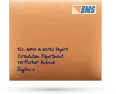
Your order is securely packed and usually ships within 24 hours. Below is what a standard package looks like.
It is about the size of a regular letter (9.4x4.3x0.3 inches) and shows no details about what is inside.
Front View
Side View
Back View
Shipping Times
Shipping Method
Estimated delivery
Express Free for orders over $300.00
Estimated delivery to the U.S.: 4-7 days
Standard Free for orders over $200.00
Estimated delivery to the U.S.: 14-21 days
Payment Methods
Discount Coupons
Independence Day - July 4, 2026 10%JULY410
Labor Day - September 7, 2026 7%LABOR07
Thanksgiving - November 26, 2026 9%THANKS09
Brand Names
Also known as (by country):
Country
Brand Names
United States
AbsoricaClaravis
United Kingdom
Roaccutane
Canada
ClarusEpuris
Australia
OrataneRoaccutane
FAQ
Isotretinoin capsules require a prescription when purchased from local US pharmacies and are subject to the iPLEDGE safety program. Our store policy allows an order without a prescription and can send the product by mail, but this does not change the medicine's prescription-only status in the United States.
Do not use a capsule that looks, smells, leaks, or feels noticeably different until it has been checked. Appearance changes can result from damage or storage conditions, but the cause cannot be determined from appearance alone; retain the package and compare its lot number and expiration date with the label.
The manufacturer of the supplied product may vary. The manufacturer's name is shown on the product packaging.
Check that the package label states "isotretinoin," identifies the product as capsules for oral use, and shows the prescribed strength. Available strengths are 5 mg, 10 mg, 20 mg, 30 mg, and 40 mg; also compare the manufacturer, lot number, expiration date, and any capsule imprint when present.
It is best to avoid alcohol during isotretinoin treatment. Both alcohol and isotretinoin can affect the liver and raise blood fats, which may increase the chance of abnormal monitoring results.
Isotretinoin capsules are used to treat severe, persistent nodular acne that has not responded adequately to standard treatments. They are generally reserved for carefully selected patients because treatment requires close safety monitoring.
Take isotretinoin capsules by mouth exactly as prescribed, generally with food to support absorption unless the product label or prescriber gives different instructions. Swallow the capsule whole with water; the daily dose and treatment duration are individualized according to acne severity, body weight, response, and safety monitoring.
No. Isotretinoin is contraindicated during pregnancy because it can cause severe birth defects and pregnancy loss, and US treatment requires strict pregnancy-prevention measures. Breastfeeding should also be avoided during treatment and for 8 days after the last dose because of the potential for serious effects in a nursing child.
Description
Choosing an acne treatment usually comes down to one question: do you need a medicine that manages breakouts while it is being used, or one that can produce a prolonged remission by markedly reducing the activity of the oil glands involved? Accutane capsules, containing the active ingredient isotretinoin, belong to the second category. Unlike topical retinoids or oral antibiotics, isotretinoin acts on several major drivers of severe nodular acne at once, which is why dermatologists reserve it for cases that have not responded to other treatments. That distinction has a practical consequence for anyone comparing options in our catalog: this is a defined-course oral retinoid with structured monitoring, not an ongoing daily routine you simply refill indefinitely. We list Accutane capsules in 5 mg, 10 mg, 20 mg, 30 mg, and 40 mg strengths, in package counts ranging from 10 to 360 pills, so a prescribed regimen and a treatment course of several months can be matched to a single order.
What Accutane Capsules Are and Why They're Different
Accutane capsules are an oral formulation of isotretinoin, a retinoid related to vitamin A, classified under ATC code D10BA01. The capsule form is swallowed whole and absorbed through the digestive tract. With conventional isotretinoin capsules, food intake at the time of dosing can change how much active ingredient reaches the bloodstream. Isotretinoin's established role is the treatment of severe, recalcitrant nodular acne in patients 12 years of age and older whose acne has not improved with conventional therapy, including oral antibiotics and topical treatments. That narrower, more serious indication is the main reason isotretinoin differs from nearly everything else on an acne-treatment shelf: it is prescribed for a defined course rather than open-ended daily use.
If you are weighing Accutane capsules against a topical retinoid or a short antibiotic course, it helps to explore our Acne & Skin Care selection for treatments addressing different severities and mechanisms.
Who May Consider Accutane, and What Decision Factors Matter?
Isotretinoin is not typically a first-choice treatment. It becomes relevant once acne is severe, scarring, or has failed to respond to retinoid creams, topical or oral antibiotics, or hormonal approaches. Before deciding whether Accutane capsules are the right next step, it's worth weighing several factors together rather than in isolation.
Severity and treatment history: isotretinoin is generally considered after other reasonable options have been tried without lasting benefit.
Ability to commit to monitoring: a full course involves baseline and follow-up testing, including lipid and liver checks.
Reproductive status: patients who can become pregnant must be able to comply with pregnancy prevention and testing requirements throughout treatment.
Tolerance for predictable side effects: dryness of the skin, lips, and eyes is very common and should be planned for rather than automatically viewed as a complication.
Underlying health conditions: a personal or family history of depression, elevated lipids, liver disease, or blood sugar problems deserves discussion with a prescriber first.
How Does Accutane Work, and What Does That Mean in Practice?
Isotretinoin's practical effectiveness comes from acting on the biology of acne rather than only its surface symptoms. It reduces the size and output of sebaceous glands, which lowers the oily sebum that contributes to acne. It also normalizes the shedding of skin cells inside hair follicles, which helps prevent the clogged pores that become blackheads, whiteheads, and inflamed nodules. Because acne-associated bacteria thrive in an oily, clogged environment, reducing sebum also limits conditions that promote bacterial overgrowth and inflammation.
In practice, this multi-pathway action explains two things patients may notice during treatment: skin often becomes noticeably drier before acne visibly improves, and remission can persist after the course ends, unlike treatments that mainly control symptoms while they are being used.
How to Use Accutane and Build a Daily Routine
Isotretinoin dosing is calculated by body weight and adjusted over the course of treatment, typically starting at a lower daily amount and increasing toward a cumulative target that a prescriber sets based on response and tolerability. Depending on the specific product and prescribed regimen, the daily dose may be taken once or divided into two doses. Conventional isotretinoin capsules are generally taken with food because a meal can meaningfully increase absorption, while certain newer formulations have different food instructions. Follow the directions for the exact product supplied. Most courses run for several months, commonly in the range of four to five months, though the exact length and total dose are individualized.
Take each dose exactly as directed and use a consistent meal routine when the product instructions require dosing with food.
Keep a fragrance-free moisturizer and lip balm on hand from day one, since dryness typically appears early.
Use daily sun protection, as treated skin may become more sensitive to sunlight.
Store capsules at 68°F to 77°F, with brief excursions between 59°F and 86°F permitted. Protect them from light and keep the container tightly closed.
Available Strengths and Package Sizes
We stock Accutane capsules across five strengths - 5 mg, 10 mg, 20 mg, 30 mg, and 40 mg - reflecting how isotretinoin dosing is adjusted by weight and treatment stage rather than fixed for everyone. Each strength is offered in package quantities of 10, 20, 30, 60, 90, 120, 180, 270, or 360 pills. Because a prescriber may adjust strength partway through a course, it's worth confirming your current prescribed strength and daily amount before selecting a package quantity rather than assuming the largest option is automatically the most efficient choice.
What Results Can You Expect, and How Long Does Treatment Take?
Acne can look slightly worse during the first few weeks of isotretinoin treatment before it improves, which is a recognized possible response rather than necessarily a sign that the medicine is not working. Noticeable improvement often begins between four and eight weeks, with continued gains as the course progresses. Many patients achieve a prolonged remission after a single course, though some need a second course months later if acne recurs. Skin, lip, and eye dryness typically persists throughout treatment and gradually resolves after the medicine is stopped.
Important Safety Priorities
Isotretinoin carries several safety considerations that deserve attention before and during use, beyond the common effects already mentioned.
Pregnancy: isotretinoin is strictly contraindicated during pregnancy due to a high risk of severe birth defects, and reliable pregnancy prevention with regular testing is required throughout treatment for patients who can become pregnant.
Breastfeeding: it is not recommended while taking isotretinoin or for eight days after the final dose.
Mental health: mood or behavioral changes should be reported to a prescriber promptly during treatment.
Liver and lipid monitoring: baseline and follow-up blood tests track cholesterol, triglycerides, and liver function.
Blood sugar: isotretinoin can affect glucose control, which matters particularly for anyone with diabetes.
Night vision and driving: some patients experience reduced night vision and should be cautious when driving after dark.
Ingredients and allergies: isotretinoin capsule excipients vary by product and may include parabens, soybean oil, or other potential allergens, so check the ingredients of the exact formulation supplied.
Interactions and Practical Precautions
A few interactions and habits are worth planning around during an isotretinoin course.
Avoid additional vitamin A supplements, since combining sources can increase the risk of vitamin A toxicity.
Do not combine isotretinoin with tetracycline-class antibiotics, including doxycycline or minocycline, due to a recognized risk of increased pressure around the brain.
Limit alcohol intake, since both isotretinoin and alcohol can affect liver enzymes and blood lipid levels.
Avoid other retinoid products, harsh exfoliating treatments, or waxing on treated skin, which can worsen irritation or cause injury.
Use sunscreen and protective clothing, since sun sensitivity may increase while on treatment.
Accutane Compared with Other Acne Treatments
Isotretinoin is not the only route to clearer skin, and understanding how Accutane capsules relate to other established options helps clarify when each one may be considered.
Accutane vs. Absorica
Accutane vs. Absorica Comparison
Characteristic
Accutane
Absorica
Active ingredient
Isotretinoin
Isotretinoin
Formulation type
Standard lipid-soluble capsule
Lipid-encapsulated formulation
Food requirement
Must be taken with a high-fat meal for optimal absorption
Can be taken with or without food
Available strengths
5 mg, 10 mg, 20 mg, 30 mg, 40 mg
10 mg, 20 mg, 25 mg, 30 mg, 35 mg, 40 mg
Common indication
Severe recalcitrant nodular acne
Severe recalcitrant nodular acne
Both medications contain isotretinoin for severe acne, differing primarily in formulation and absorption with meals.
Absorica is another FDA-approved isotretinoin product, but it uses a different capsule formulation and is labeled for use with or without meals. Absorption of conventional isotretinoin capsules is more dependent on food, so the practical difference concerns formulation-specific meal instructions rather than the active ingredient. Patients should follow the directions for the exact isotretinoin product they receive.
Accutane vs. Doxycycline
Accutane vs. Doxycycline Comparison
Characteristic
Accutane
Doxycycline
Active ingredient
Isotretinoin
Doxycycline
Medication class
Systemic retinoid
Tetracycline antibiotic
Primary role
Reduces sebaceous gland size and sebum production
Inhibits bacterial protein synthesis and reduces inflammation
Dosage form
Capsule
Capsule, tablet, oral suspension
Available strengths
5 mg, 10 mg, 20 mg, 30 mg, 40 mg
50 mg, 75 mg, 100 mg, 150 mg
Comparing oral retinoid therapy to systemic tetracycline antibiotic treatment for acne management.
Doxycycline is an oral tetracycline antibiotic used for moderate inflammatory acne, working mainly by reducing acne-associated bacteria and inflammation rather than markedly suppressing sebaceous-gland activity. It is generally used for a limited period and has its own pregnancy, sun-sensitivity, gastrointestinal, and antibiotic-related precautions. For severe recalcitrant nodular acne, isotretinoin can produce a longer remission than antibiotic therapy, but the appropriate choice depends on acne severity, treatment history, and individual risks.
Accutane vs. Minocycline
Accutane vs. Minocycline Comparison
Characteristic
Accutane
Minocycline
Active ingredient
Isotretinoin
Minocycline
Medication class
Systemic retinoid
Tetracycline antibiotic
Primary mechanism
Suppresses sebaceous activity and alters follicular keratinization
Suppresses bacterial growth and reduces inflammatory mediators
Available strengths
5 mg, 10 mg, 20 mg, 30 mg, 40 mg
50 mg, 75 mg, 100 mg
Target acne type
Severe, recalcitrant nodular or cystic acne
Moderate to severe inflammatory acne
Contrasting an oral retinoid that addresses all major acne pathways with a broad-spectrum oral antibiotic.
Minocycline, another tetracycline-class antibiotic, shares a similar role to doxycycline: it can be an option for moderate inflammatory acne that has not responded to topical treatment alone, with a side-effect profile centered on antibiotic-related risks rather than isotretinoin's extensive pregnancy-prevention and laboratory-monitoring requirements. For acne severe enough to prompt consideration of Accutane capsules, antibiotics are often a step that has already been tried rather than an equivalent substitute.
Is a Prescription Required, and What Does That Mean for Ordering in the United States?
Isotretinoin capsules are classified as prescription-only medicines in the United States, and FDA-approved isotretinoin products remain subject to the iPLEDGE REMS program because of the serious risk of harm to a developing pregnancy. That classification is a matter of US regulation and applies to isotretinoin generally, regardless of where a customer chooses to order. Separately, our ordering process for this listing does not require a prescription to be submitted before we accept your order, so you can select a strength and package quantity without that document holding up the initial step. Our order-acceptance policy does not change the prescription and iPLEDGE requirements that apply to FDA-approved isotretinoin dispensing in the United States. The original Accutane brand is no longer marketed in the United States, and other FDA-approved isotretinoin capsules are available under different brand or generic names; we continue to list this catalog entry under the widely recognized Accutane name for clarity.
Ordering, Delivery, and Receiving Your Package
We've been operating as an online pharmacy catalog since 2017, and our support team is available 24/7 by email, live chat, and phone, with a pharmacist on hand to answer questions about this listing before or after you order. Orders are placed in US dollars, and once confirmed, we pack each capsule package securely for dispatch and provide tracking so you can follow your delivery to its destination.
Select the strength and package quantity that matches your current prescribed regimen.
Complete checkout, with our support team available if you have questions about strength, quantity, or timing.
Receive dispatch and tracking details once your order is packed and sent out.
Contact our pharmacist-supported team any time if anything about your package or its contents needs clarification.
Decision Summary
Accutane capsules may be considered when acne is severe, has resisted other treatments, and you're prepared for a monitored, multi-month course rather than an ongoing routine. The isotretinoin they contain can produce prolonged remission in severe nodular acne, while topical treatments and antibiotics such as doxycycline or minocycline remain reasonable choices for less severe inflammatory acne. Whichever option fits your situation, we offer the strengths and package quantities needed to match a prescribed plan, along with support available around the clock as you place and track your order.
Before I order, how can I tell how many isotretinoin capsules will be in the package?
A
Answered by Support team
Select the package quantity shown with the strength you choose. Package options listed for this product include 10, 20, 30, 60, 90, 120, 180, 270, and 360 capsules.
Q
Asked by Elizabeth F, Indianapolis, United States
My package was left outside in Indianapolis during very hot weather. Can I still use the isotretinoin capsules?
A
Answered by Support team
Keep them protected from light, check the package and capsules for leaks, softening, discoloration, or other damage, and compare the storage directions: 68°F to 77°F, with permitted excursions from 59°F to 86°F.
Q
Asked by Joseph A, Denver, United States
I'm in Denver and concerned about transit conditions. Can isotretinoin capsules normally travel through the mail?
A
Answered by Support team
Capsules can normally be mailed when they are properly packed in protective packaging and kept within their labeled handling conditions. After arrival, keep the container tightly closed and protected from light, and do not use capsules if the package or capsules appear damaged or altered.
Q
Asked by Mark E, Charlotte, United States
I started isotretinoin recently and my lips and skin are getting very dry. Is that expected, and what can I use for it?
Dry lips, dry skin, and dry eyes are common with isotretinoin. Use a bland fragrance-free moisturizer, lip balm, and lubricating eye drops if needed; report severe skin peeling, blistering, a widespread rash, or significant eye pain or vision changes promptly.
Product specifications
Active ingredient
Isotretinoin
Drug class
Retinoid
Dosage form
Capsule
Available strengths
5 mg, 10 mg, 20 mg, 30 mg, 40 mg
Route
Oral
Storage
Store at 68°F to 77°F; excursions permitted from 59°F to 86°F. Protect from light and keep in a tightly closed container.
ATC code
D10BA01
Regulatory information
Market AuthorizationIsotretinoin is an FDA-approved active ingredient authorized for human medical use in the United States.
Dispensing ClassificationOral isotretinoin capsules are classified as a prescription-only medication requiring an order from an authorized healthcare professional.