Accutane (isotretinoin) is an oral retinoid capsule used for severe nodular acne that hasn't responded to other treatments. We carry 5 mg, 10 mg, 20 mg, 30 mg, and 40 mg capsules in quantities from 10 to 360, with pharmacist support available throughout your order.
This tool only estimates pack size from the values you enter.
×
You need: 21 tabsRecommended packs: 1 x 30 = 30 tabs
Manufacturers
Almirall HermalCipher PharmaceuticalsDifa CooperDouglas Pharmaceuticals LtdF. Hoffmann-La RocheIsdinLaboratoires ExpanscienceMylan PharmaceuticalsPierre Fabre DermatologieSun Pharmaceutical IndustriesTeva Pharmaceuticals USA, Inc.
Payment & Shipping
Package Example
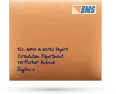
Your order is securely packed and usually ships within 24 hours. Here is what a typical parcel looks like.
It is about the size of a regular letter (24x11x0.7 cm) and does not show any details of what is inside.
Front View
Side View
Back View
Shipping Times
Shipping Method
Estimated delivery
Express Free for orders over C$424.73
Estimated delivery to Canada: 4-7 days
Standard Free for orders over C$283.15
Estimated delivery to Canada: 14-21 days
Payment Methods
Discount Coupons
Victoria Day - May 18, 2026 8%VICTORIA8
Canada Day - July 1, 2026 10%CANADADAY10
Labour Day - September 7, 2026 6%LABOUR6
Thanksgiving (Canada) - October 12, 2026 9%THANKS9
Boxing Day - December 26, 2026 12%BOXING12
Brand Names
Also known as (by country):
Country
Brand Names
Canada
ClarusEpuris
United States
AbsoricaClaravis
United Kingdom
Roaccutane
France
CuracnéProcuta
Australia
OrataneRoaccutane
Germany
Aknenormin
Italy
Aisoskin
FAQ
Isotretinoin is a prescription medicine in Canada, and local pharmacies require a prescription from an authorized prescriber. Our store policy allows orders without a prescription, and the capsules can be sent by mail. Because isotretinoin has serious risks and requires monitoring, treatment should be managed by a qualified health-care professional.
Do not use a capsule that looks damaged, discoloured, leaking, unusually soft or hard, or has an unusual odour. Keep it in its package and compare the label, strength, lot number, and expiry date before having the product checked. Store capsules at 20°C to 25°C; excursions from 15°C to 30°C are permitted, and the container should be tightly closed and protected from light.
The regulatory authorization of the exact product supplied is not confirmed in advance. In Canada, isotretinoin is a prescription drug, while Accutane is listed in Health Canada's Drug Product Database as discontinued post-market. To verify a specific product, check the manufacturer, strength, dosage form, and product identification details against Health Canada's Drug Product Database.
A different appearance does not by itself mean the product is incorrect, as manufacturers and packaging can vary. Before taking any capsule, compare the active ingredient, strength, capsule dosage form, manufacturer, package label, lot number, expiry date, and any imprint. Do not use it until the discrepancy is checked if the ingredient, strength, dosage form, seal, or physical condition appears wrong.
The available capsule strengths are 5 mg, 10 mg, 20 mg, 30 mg, and 40 mg. The appropriate strength and daily dose depend on the treatment plan, body weight, response, and side effects, so a strength should not be selected without clinical guidance.
Isotretinoin capsules are used mainly for severe, treatment-resistant nodular acne. They reduce sebum production and help reduce blocked pores and acne inflammation. They are generally reserved for acne that has not responded adequately to standard treatments.
Isotretinoin capsules are taken orally, usually with food, because food can improve absorption. Swallow the capsule whole with water and take it exactly as prescribed; the dose and length of treatment are individualized. Do not take vitamin A supplements or tetracycline antibiotics with isotretinoin unless the prescriber specifically directs otherwise.
No. Isotretinoin is contraindicated during pregnancy because it can cause severe birth defects and pregnancy loss. It is also contraindicated while breastfeeding because of the potential for serious effects in a nursing infant. Anyone who becomes pregnant or thinks they may be pregnant during treatment should contact their prescriber immediately.
Description
When you're weighing acne treatments against each other, the biggest thing that sets Accutane (isotretinoin) capsules apart is that this is a systemic retinoid taken as a defined course, not a maintenance product you apply daily like a topical cream or an antibiotic intended for a limited treatment period. We carry Accutane capsules in five strengths - 5 mg, 10 mg, 20 mg, 30 mg, and 40 mg - in package sizes ranging from 10 up to 360 capsules for every strength, which may help you align an order with the quantity directed by an authorized prescriber.
That course-based design changes how you should approach shopping for it. Instead of picking whichever strength looks convenient, the practical move is to work from the dose and duration an authorized prescriber has set, then choose the package size that most closely matches the prescribed quantity without leaving unnecessary capsules after your next reassessment.
What Accutane Is and How It Differs From Other Acne Options
Isotretinoin belongs to the retinoid class of medicines (ATC code D10BA01) and is supplied as an oral capsule, which is the exact form and route we offer here. It's chemically related to vitamin A and works systemically, rather than acting at the skin surface the way a topical retinoid or benzoyl peroxide product does. Unlike topical maintenance therapy or a limited course of an oral antibiotic, isotretinoin is prescribed as a finite course intended to produce a durable remission.
One point worth knowing for context: Health Canada's Drug Product Database lists the original Accutane brand specifically as discontinued post-market. That status applies to the original brand listing and does not establish the availability or registration status of other isotretinoin products.
Who Should Consider Accutane for Acne?
Isotretinoin is reserved for a specific tier of acne, and understanding where you sit on that spectrum is more useful than comparing prices alone. Typical candidates include people who have:
Severe nodular or cystic acne that has not improved with topical treatments or a reasonable course of oral antibiotics
Acne that is actively scarring or carries a high risk of permanent scarring if left untreated
An age of 12 years or older, since isotretinoin is not indicated for prepubertal children and adolescent use requires additional attention to possible musculoskeletal effects
The ability to attend monitoring visits and, for anyone who can become pregnant, follow a strict pregnancy prevention plan for the full course and required follow-up period
If your acne is mild to moderate or has not yet been treated with appropriate topical therapy or an antibiotic, a prescriber will usually consider those options first, since isotretinoin's benefits come with monitoring and safety obligations that may not be justified for milder presentations.
How Isotretinoin Works Inside the Skin
Isotretinoin's core action is to shrink the sebaceous glands and sharply reduce how much sebum they produce, making the follicular environment less favourable to blocked pores and acne-associated bacteria. It also normalizes how skin cells inside the follicle shed and separate, which reduces the plugging that turns a follicle into a comedone or nodule. The combined effect is a substantial reduction in follicular blockage, bacterial proliferation, and inflammation.
These changes develop over time, which is part of why isotretinoin courses run for months rather than weeks. The treatment can produce remission that continues after the course ends, although acne can recur and some people eventually need additional treatment.
Building a Daily Isotretinoin Routine
Isotretinoin capsules are taken orally. Conventional isotretinoin formulations are generally taken with food because absorption is better with a meal, particularly one containing some fat. Follow the directions for the specific formulation and dose prescribed to you. Daily dosing may be divided across meals, and prescribers may begin with a lower dose before adjusting it according to body weight, response, adverse effects, and laboratory results. Swallow capsules whole; they shouldn't be crushed or opened.
Across the full course, prescribers typically consider a cumulative dose calculated against body weight, often spread over roughly four to six months, although lower-dose treatment or dose interruptions can make a course longer. Follow-up is used to review skin response, adverse effects, and required blood tests. Anyone who can become pregnant must follow a formal pregnancy prevention plan during treatment and for at least one month afterward, including pregnancy testing as directed, because isotretinoin can cause severe fetal harm.
For storage between doses, keep capsules at 20°C to 25°C, with brief excursions between 15°C and 30°C considered acceptable, and store them in a tightly closed container away from light rather than in a humid bathroom cabinet.
Strengths and Package Sizes We Offer
We stock all five offered isotretinoin strengths, so you can select the strength directed by your prescriber rather than approximating with a nearby dose:
Because course length and daily dosing vary from person to person, the wide selection of quantities can accommodate an initial titration period or a later phase of treatment. Select the strength and quantity that correspond to your current directions rather than combining capsules to change your dose without prescriber approval.
When Will Accutane Start Working, and How Long Does a Course Last?
Acne can temporarily worsen during the first few weeks of isotretinoin treatment, but this does not happen to everyone and severe worsening should be discussed with the prescriber. Visible improvement in oiliness and new lesion formation often appears after four to eight weeks, with continued gains through the following months as treatment progresses. A full course commonly runs for four to six months, although dose reductions, interruptions, or a lower-dose regimen can extend that timeline. Many people experience long-lasting improvement after one course, while others may relapse and need further acne treatment. If a second isotretinoin course is being considered, it is generally deferred for at least eight weeks after the first course because improvement can continue after treatment stops.
Safety Priorities Before and During Treatment
Isotretinoin's effectiveness comes with a safety profile that needs active management rather than passive awareness. Priorities include:
Pregnancy is an absolute contraindication because isotretinoin is highly teratogenic and can cause severe birth defects or pregnancy loss; breastfeeding is also contraindicated because of the potential for serious harm to a nursing infant
People who can become pregnant must follow the required contraception and pregnancy-testing plan during treatment and for at least one month after the last dose
Baseline and periodic blood work may include liver enzymes, lipid levels, and a complete blood count, according to the applicable product information and individual risk factors
Isotretinoin is also contraindicated in circumstances such as severe liver disease, markedly elevated blood lipids that cannot be controlled, hypervitaminosis A, and concurrent tetracycline treatment
Mood or behavioural changes should be reported promptly; although a direct causal relationship remains uncertain, serious psychiatric symptoms require timely medical assessment
Musculoskeletal effects can include joint, muscle, or back discomfort, and effects on bone growth have been reported in adolescents
Eye and vision effects include dryness and a possible sudden reduction in night vision; anyone affected should avoid driving or operating machinery, particularly after dark
Skin, lip, and mucous membrane dryness is expected and is often managed with regular moisturizer, lip balm, and gentle skincare
Anyone with a known allergy to soya, peanuts, or parabens should have the specific product's excipient list checked because some isotretinoin capsule formulations contain soybean oil or paraben-based excipients
People with diabetes or relevant risk factors may need closer blood glucose monitoring because changes in glucose control have been reported
Blood donation must be avoided during treatment and for at least one month after the last dose because donated blood could be given to someone who is pregnant
What Interacts With Isotretinoin?
A short list of interactions matters more than a long one here. Vitamin A supplements should be avoided during treatment because isotretinoin is a vitamin A derivative and combining the two raises the risk of vitamin A toxicity. Alcohol is best minimized because it can add to liver and triglyceride concerns that may already require monitoring during treatment.
The interaction that deserves the most attention is with tetracycline-class antibiotics, including minocycline and Doxycycline. Combining either with isotretinoin is avoided because together they raise the risk of intracranial hypertension, also called pseudotumor cerebri, with symptoms such as severe headache, visual disturbance, nausea, or vomiting. If you're taking a tetracycline antibiotic and being considered for isotretinoin, the switch needs to be sequenced by a prescriber rather than overlapped. Other retinoid-containing products can increase retinoid adverse effects, while exfoliating or irritating skincare can aggravate skin sensitivity. Waxing, dermabrasion, and some laser procedures should be avoided during treatment and for the period advised afterward because of the risk of skin injury or abnormal healing.
Accutane vs. Minocycline: Choosing Between Oral Options
Accutane and Minocycline: Key Differences
Feature
Accutane
Minocycline
Active ingredient
Isotretinoin
Minocycline
Therapeutic class
Systemic retinoid
Tetracycline antibiotic
Primary mechanism
Suppresses sebum production and normalizes follicular turnover
Inhibits bacterial protein synthesis and inflammation
Available strengths
5 mg, 10 mg, 20 mg, 30 mg, 40 mg
50 mg, 100 mg
Dosage form
Capsule
Capsule or tablet
Overview of oral therapeutic options for moderate to severe inflammatory acne.
Minocycline and isotretinoin sit at different points in acne treatment, and the right choice depends mainly on acne type, severity, scarring risk, and previous treatment. Minocycline may be used for moderate to severe inflammatory acne, generally for a limited course and alongside topical treatment. It does not require the isotretinoin-specific pregnancy prevention program, but it has its own contraindications and risks, is generally avoided during pregnancy, and can cause effects such as dizziness, pigmentation changes, and rare autoimmune or liver reactions. Prolonged antibiotic use also raises concerns about antimicrobial resistance. Isotretinoin is generally considered for severe nodular, scarring-prone, or treatment-resistant acne and offers the possibility of durable remission after a finite course, but it requires closer monitoring and strict pregnancy prevention where relevant. The medicines must not overlap because tetracyclines such as minocycline can increase the risk of intracranial hypertension when combined with isotretinoin. Neither is a strict upgrade over the other; the deciding factor is your acne, treatment history, and individual safety profile.
Is Accutane Available Without a Prescription in Canada?
Isotretinoin is classified as a prescription drug in Canada, and that classification reflects its monitoring, blood-testing, and pregnancy-prevention requirements. It does not change according to where the product is ordered. Our own ordering policy is separate: we do not require you to upload or fax a prescription document before we accept your order. An authorized prescriber should still determine whether isotretinoin is appropriate for you and direct your dose, monitoring, and course length. Our pharmacist is available 24/7 by email, online chat, or phone for product information and questions about your order.
Ordering, Delivery, and Receiving Your Accutane Order
Placing an order with us follows a straightforward sequence:
Choose 5 mg, 10 mg, 20 mg, 30 mg, or 40 mg according to the strength directed by your prescriber
Select the capsule quantity that corresponds to your current treatment directions, from 10 up to 360 capsules
Complete checkout securely, with pricing shown in Canadian dollars
Reach our support team by email, online chat, or phone if anything needs clarifying before we pack your order
Receive your order after we've packed and dispatched it, with tracking provided so you can follow its progress
We've operated this catalogue and support desk since 2017, and our team, including a pharmacist, is reachable 24/7 for questions related to your product or order, from confirming an available strength or quantity to addressing a delivery concern once your package is on its way.
Making Your Decision
The decision that matters most with Accutane isn't the strength you pick first - it's whether your acne has genuinely reached the point where a systemic, course-based retinoid is appropriate, or whether topical treatment or a limited antibiotic course still has a role. If severe nodular or cystic acne, scarring risk, or prior treatment failure puts you in that category, we offer every listed strength and quantities from 10 to 360 capsules so you can select the option that corresponds to your treatment directions, with pharmacist support available before and after you order. If you're still exploring earlier-line options, our Acne & Skin Care selection provides other approaches to compare before proceeding with an isotretinoin course.
I live in Whitehorse and sometimes online stores cannot ship medicines to my address. How can I check whether isotretinoin capsules can be sent to me?
A
Answered by Support team
Enter the full delivery address and postal code during checkout to see the delivery options we offer for your destination before ordering.
Q
Asked by Maya J, Hamilton, Canada
Before I order from Hamilton, can I use my postal code to see whether isotretinoin capsules can be shipped to me?
A
Answered by Support team
Yes. Enter your Hamilton delivery address and postal code at checkout to check the shipping options available for that destination. This is the appropriate way to confirm destination-specific availability before placing an order.
Q
Asked by Jack M, Barrie, Canada
My isotretinoin package arrived in Barrie during a cold spell and the parcel felt very cold. What should I check before I use the capsules?
A
Answered by Support team
Keep the package and inspect the container, capsules, seal, label, lot number, and expiry date. The labelled storage range is 20°C to 25°C, with permitted excursions from 15°C to 30°C.
Q
Asked by Lily F, Winnipeg, Canada
I drive home from late shifts in Winnipeg. Can isotretinoin affect night driving?
It can. Isotretinoin may cause reduced night vision, visual changes, dizziness, or drowsiness, sometimes with sudden onset. Avoid driving at night if you notice any change in vision or alertness, and report those symptoms promptly to the clinician managing your treatment.
Product specifications
Active ingredient
Isotretinoin
Drug class
Retinoid
Dosage form
Capsule
Available strengths
5 mg, 10 mg, 20 mg, 30 mg, 40 mg
Route
Oral
Storage
Store at 20°C to 25°C; excursions permitted from 15°C to 30°C. Protect from light and keep in a tightly closed container.
ATC code
D10BA01
Regulatory information
Authorization StatusIsotretinoin is authorized for therapeutic human use in Canada.
Dispensing ClassificationIsotretinoin capsules require a valid prescription from a licensed healthcare practitioner.