Micardis is prescribed to treat hypertension. This medication widens blood arteries by relaxing them and inhibiting the angiotensin hormone. Keeping your blood pressure under control can help you prevent heart attacks, strokes, and renal problems. In addition to treating congestive heart failure, Micardis can help prevent kidney damage brought on by diabetes.
This medication may be prescribed by your doctor for different reasons. If you would like additional information on this medication, contact your doctor.
Before Treatment
Consult a physician if any of the following apply to you or have previously affected you: an uncommon or allergic response to preservatives, foods, medications, dyes, ACE inhibitors like captopril or lisinopril, or Micardisliver or kidney illness; cardiac issues; diabetes; elevated potassium levels in the blood; extreme dehydration (and electrolyte loss, including sodium depletion).
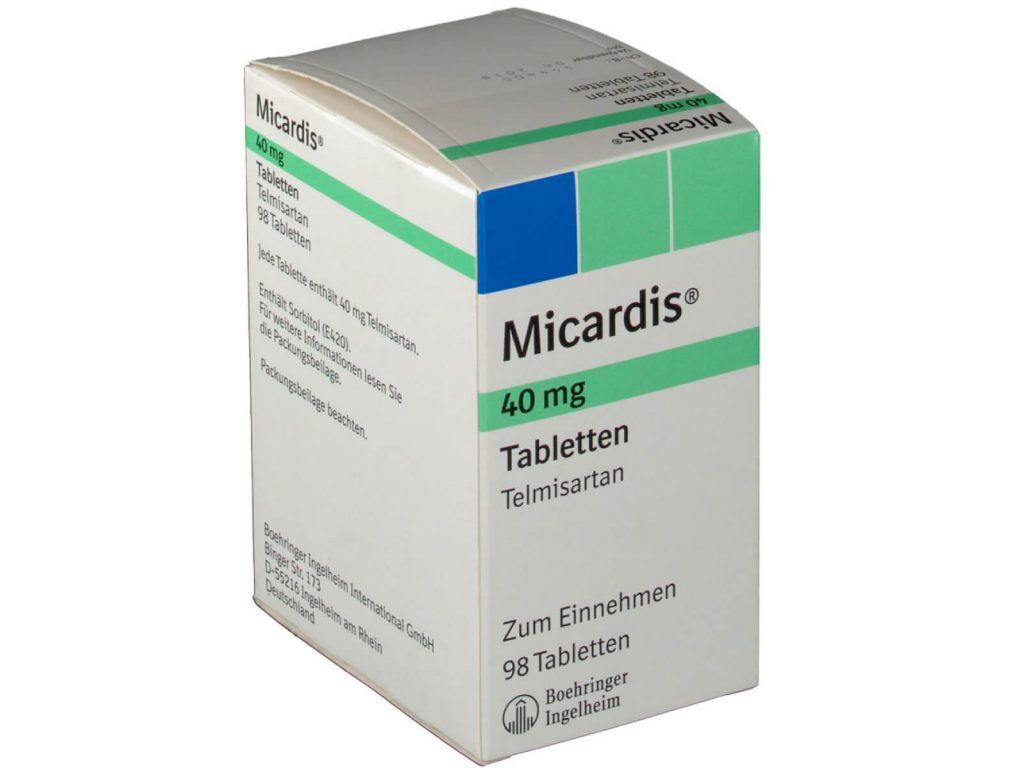
Dosage
| Condition |
Dosage |
Administration |
Notes |
| Hypertension |
Initial: 40 mg orally once a day |
With or without food |
Blood pressure response is dose-related (20 to 80 mg). Most effect seen within 2 weeks, maximal after 4 weeks. |
| |
Maintenance: Individualized dosage |
|
No initial adjustment needed for elderly or renal impairment patients, including those on dialysis. Monitor closely. |
| Cardiovascular Risk Reduction |
80 mg orally once a day |
With or without food |
Lower doses' efficacy in risk reduction is unknown. Monitor blood pressure; adjust other medications if necessary. |
You can take Micardis orally with or without food. To get the full benefits of this medication, take it daily and administer the dosages regularly.
Any medication used in excess might have adverse effects on your health. Get in touch with your healthcare provider right away if you suspect an overdose.
When used in excess, this medication may result in the following side effects: slow or quick heartbeat, feeling faint, or as if you might pass out.
Take the dosage as soon as possible if you forget to take it. Never take two doses at once if your next dose is almost due. Take one dosage at a time.
Warning: Diuretics (water pills) and digoxin (Lanoxin, digitalis) interact.
Give your doctor a complete list of all the medications, herbal remedies, nutritional supplements, and over-the-counter medications you take. Additionally, let them know whether you smoke, take illegal substances, or drink alcohol. Certain things might interfere with your medication.
Adverse Reactions
In case you observe any of the following, get in touch with your doctor right away.
Serious side effects include hives, itching, breathing difficulties, swelling of the face, lips, tongue, and skin rash from allergies, decreased libido and fainting, and variation in the urination volume.
Less severe adverse effects include weakness and back pain, lightheadedness, hazy eyesight, increased perspiration, dizziness, and fatigue.
There could be other negative effects; this is not a complete list. Tell your doctors about all the side effects you encounter.
Precautions
Tell your surgeon that you are taking this medication if you plan to have surgery. Refrain from using potassium supplements or salt replacements unless advised by your doctor. Observe the dietary recommendations of your doctor.
If you are attempting to become pregnant, nursing a child, or are pregnant, speak with your doctor. Take care when standing or sitting up, especially if you are an elderly patient. This lowers the chance of feeling lightheaded or fainting.
Micardis needs to be kept in a firmly closed container at room temperature. Keep out of the light, heat, and moisture. Store away from sinks and bathrooms. Keep Micardis away from animals and out of children's reach.















 Belgium